



Plus Fours, Plus Twos and Breeks: Finding Your Fit
An essential part of traditional British country clothing, plus fours, plus twos and breeks have been worn by generations of sportsmen and women. But what exactly is the difference, and which should you choose?
Few garments are quite so closely associated with British country life as a good pair of tweed breeks. Whether worn on a grouse moor, a pheasant shoot or simply for a day in the countryside, they remain a familiar part of traditional sporting dress.
At Campbell’s of Beauly, we have been outfitting Highland sportsmen and country households since 1858. Breeks and plus fours have long been a speciality of our tailoring department, valued as much for their practicality as their appearance.
Although the terms are sometimes used interchangeably, there are important differences between them.
What Are Plus Fours?
Plus fours are perhaps the most distinctive of the three styles, recognisable by their generous cut and characteristic overhang below the knee.
The name refers to the additional four inches of cloth traditionally extending beyond the knee before the garment is fastened around the leg. This creates the fuller, slightly bloused appearance associated with classic sporting dress.
Plus fours became particularly fashionable during the early twentieth century, especially among golfers and country sportsmen. Their generous proportions offered freedom of movement, while the shorter leg avoided the inconvenience of full-length trousers in wet grass and rough ground.
Our Campbell’s Plus Fours are made in Great Britain to our exclusive pattern, using substantial 16oz Scottish-woven tweed. Cut with plenty of room through the thigh, they feature the traditional four-inch roll below the knee, which can be adjusted according to the wearer's height.
Fully lined in cotton, they are designed to be comfortable, hard-wearing and practical in the field.
What Are Plus Twos?
Plus twos follow much the same principle, but with a neater silhouette.
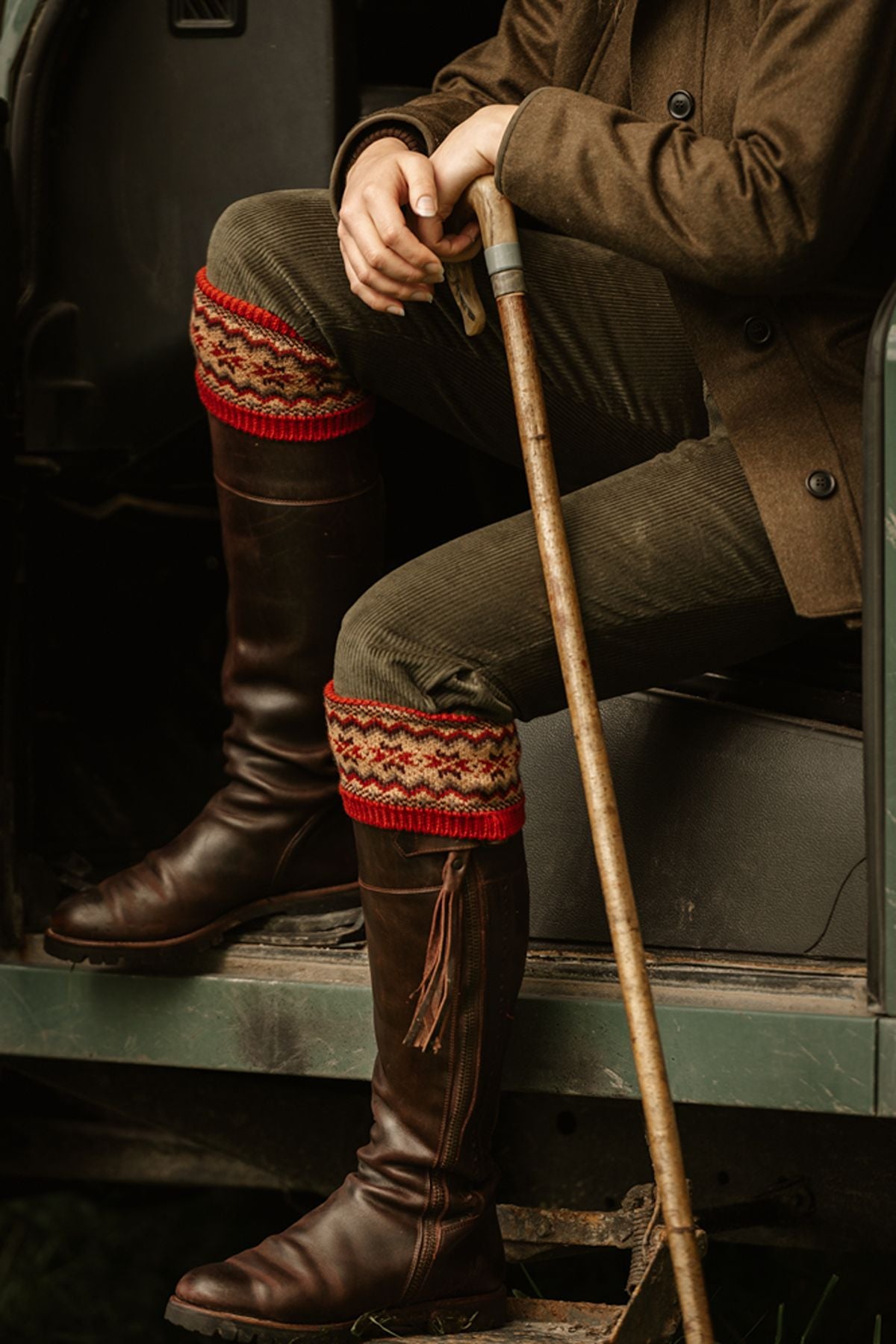
As their name suggests, they have approximately two inches of additional cloth below the knee, creating a smaller overhang than plus fours.
For those who find plus fours a little too generous, plus twos offer an excellent alternative.
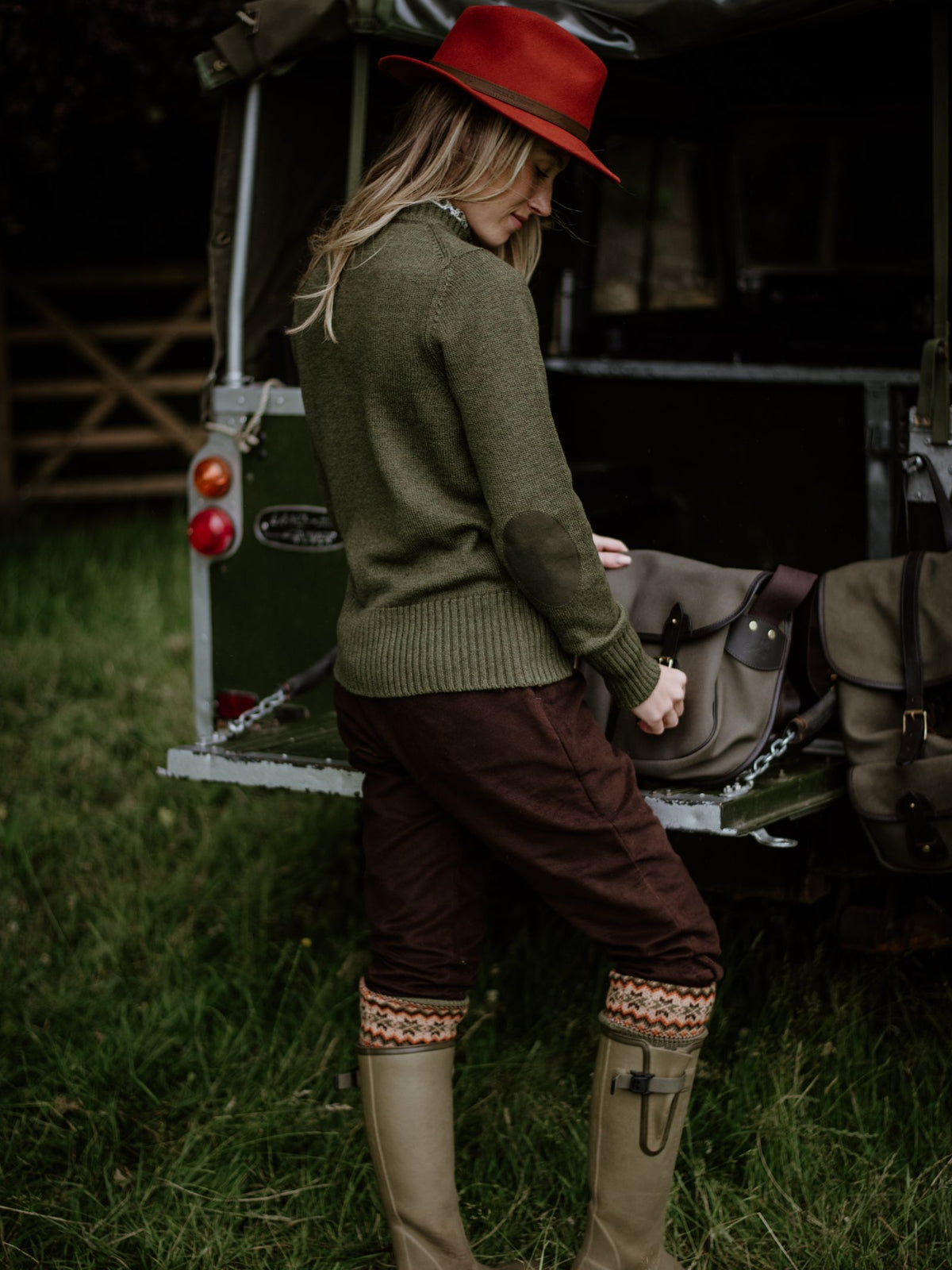
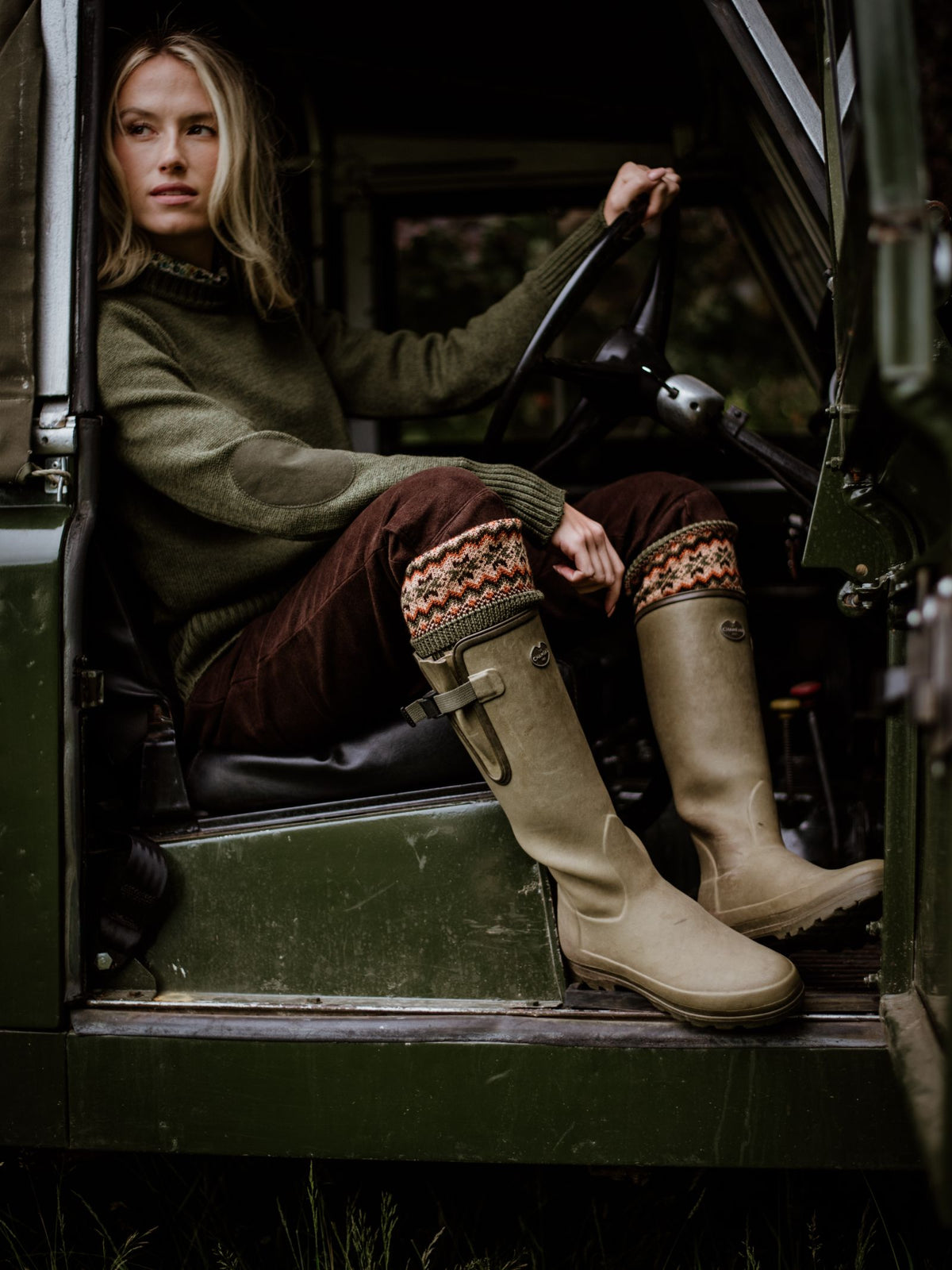
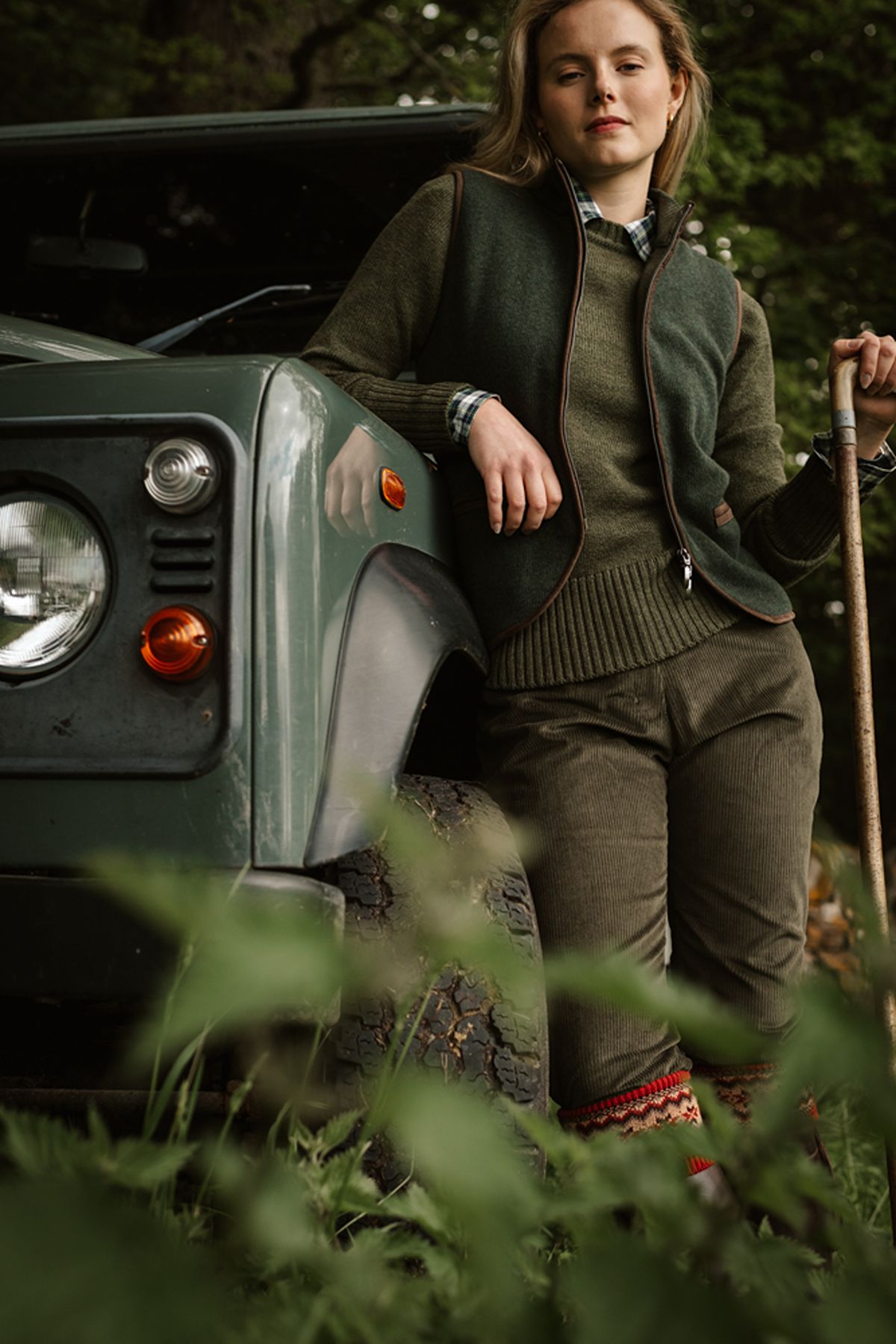
At Campbell’s, our ladies’ plus twos are made in both moleskin and corduroy, two particularly useful fabrics for country wear.
Our moleskin plus twos have a soft, closely woven finish, while our corduroy version uses 100% cotton cloth from Brisbane Moss, renowned for its traditional British cotton fabrics.
Both are cut with room through the thigh and finished with the characteristic two-inch roll below the knee.
And What Exactly Are Breeks?
The word breeks is the Scots term for breeches or trousers, and has long been part of the language of Highland country clothing.
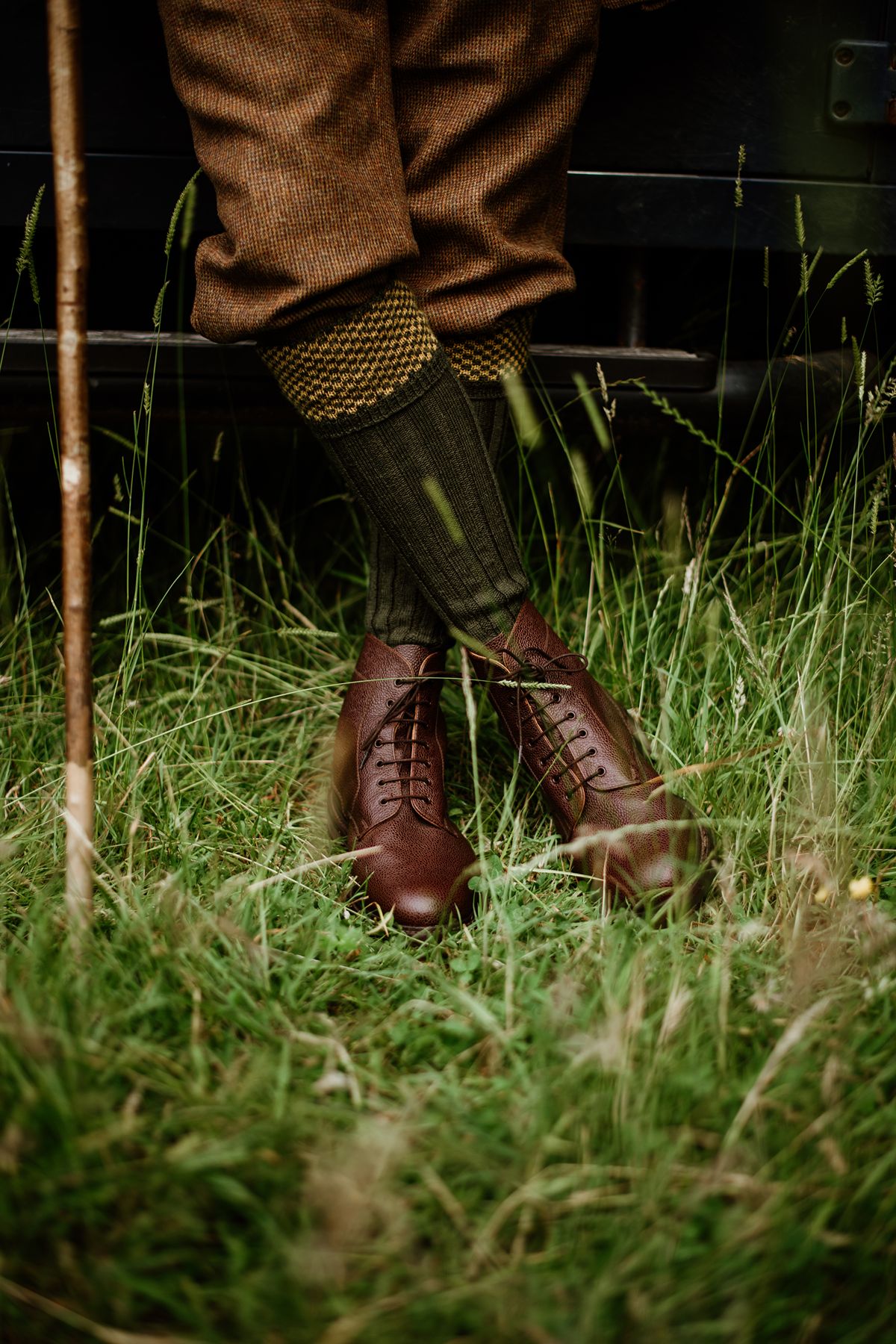
Today, in the context of sporting dress, it generally refers to trousers cut to finish below the knee, secured around the calf and worn with long shooting stockings.
Unlike the more generously bloused plus fours, traditional shooting breeks usually have a neater silhouette.
Our Campbell’s Tweed Breeks are tailored to our exclusive pattern in our own workshop, using robust 16oz Scottish-woven tweed.
They feature a two-inch roll below the knee, adjustable waistband tabs, buttoned back pockets and a hook-and-loop calf fastening.
The distinction between breeks and plus twos is not always absolute. In sporting clothing, the names frequently overlap, and individual tailors may use slightly different terminology.
Choosing the Right Style
The decision between plus fours, plus twos and breeks is largely a matter of personal preference, although intended use should also be considered.
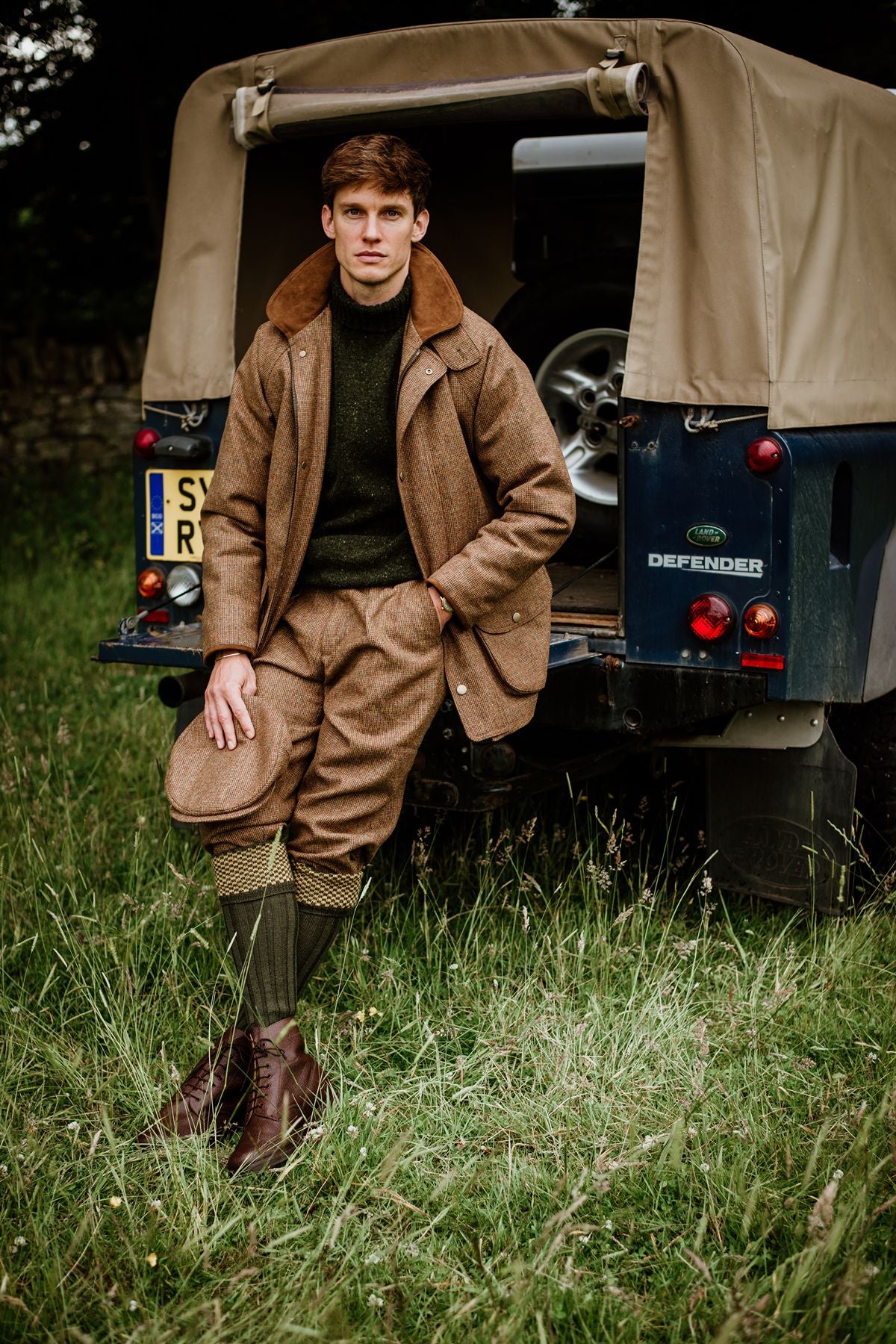
Plus fours are the traditional choice for those who favour a fuller sporting silhouette. They look particularly handsome as part of a matching tweed shooting suit, worn with a waistcoat and jacket.
Plus twos offer a neater appearance and are an excellent choice for those who prefer less volume around the knee. They are particularly versatile for shooting, walking and general country wear.
Tweed breeks are perhaps the most familiar option for modern sporting use. Their relatively close-fitting shape below the knee works well with shooting stockings and wellington boots.
Whichever style you choose, the waistband should sit comfortably, with sufficient room through the thigh for walking and climbing. The fastening should sit securely below the knee, allowing the cloth to fall naturally over the top.
Why Tweed Remains the Traditional Choice
There is a good reason why tweed has remained the preferred cloth for generations of Highland sportsmen.
Woven from wool, it provides natural warmth, breathability and resilience. Its textured appearance also blends particularly well into the heather, bracken and woodland of the Scottish countryside.
At Campbell’s, our tweed breeks and plus fours use substantial 16oz Scottish-woven cloth, chosen for its durability and suitability for sporting use.
Moleskin and corduroy are equally deserving of a place in the country wardrobe, particularly for those who prefer a softer cotton cloth or something less formal than a full tweed shooting suit.
How to Wear Breeks and Plus Fours
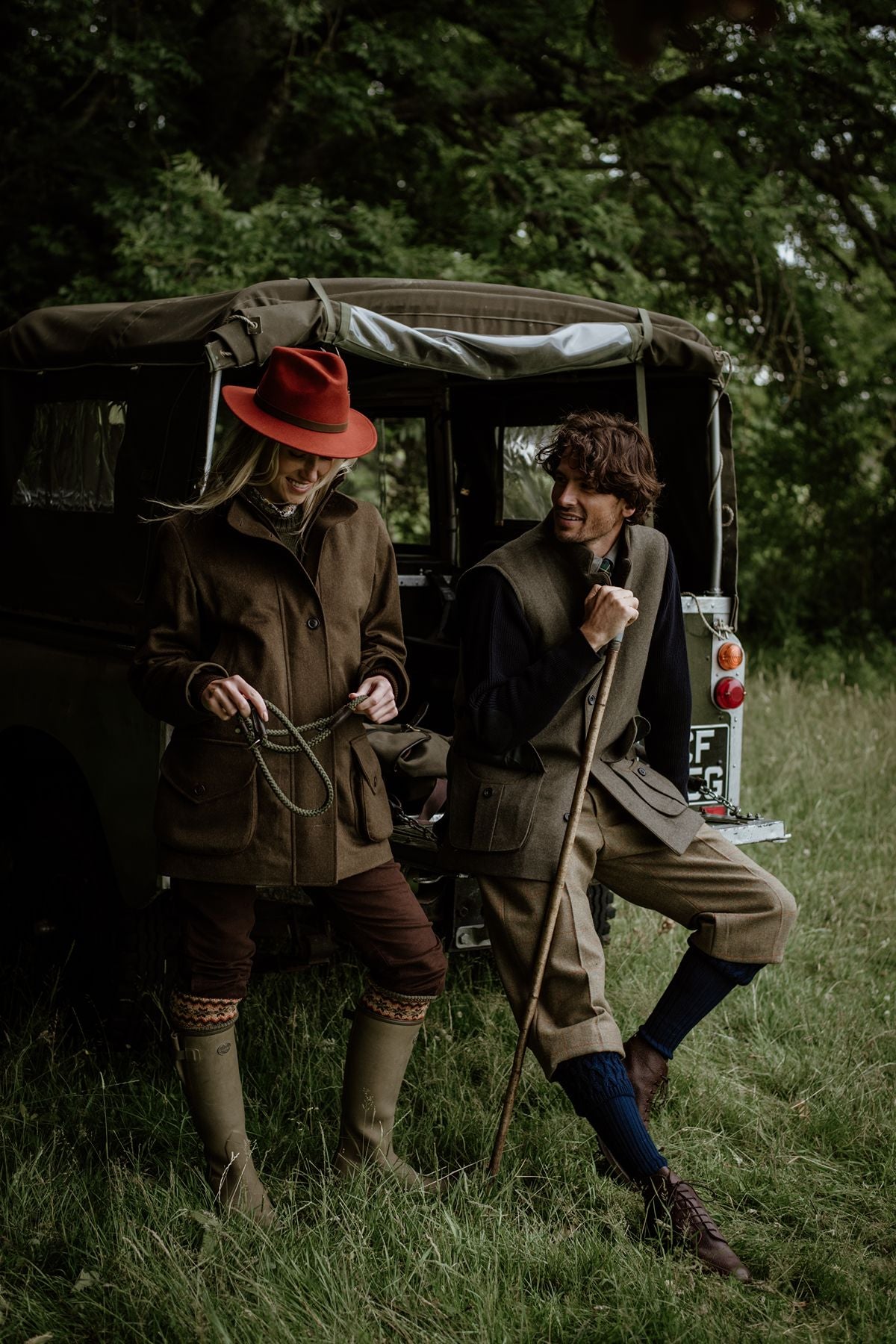
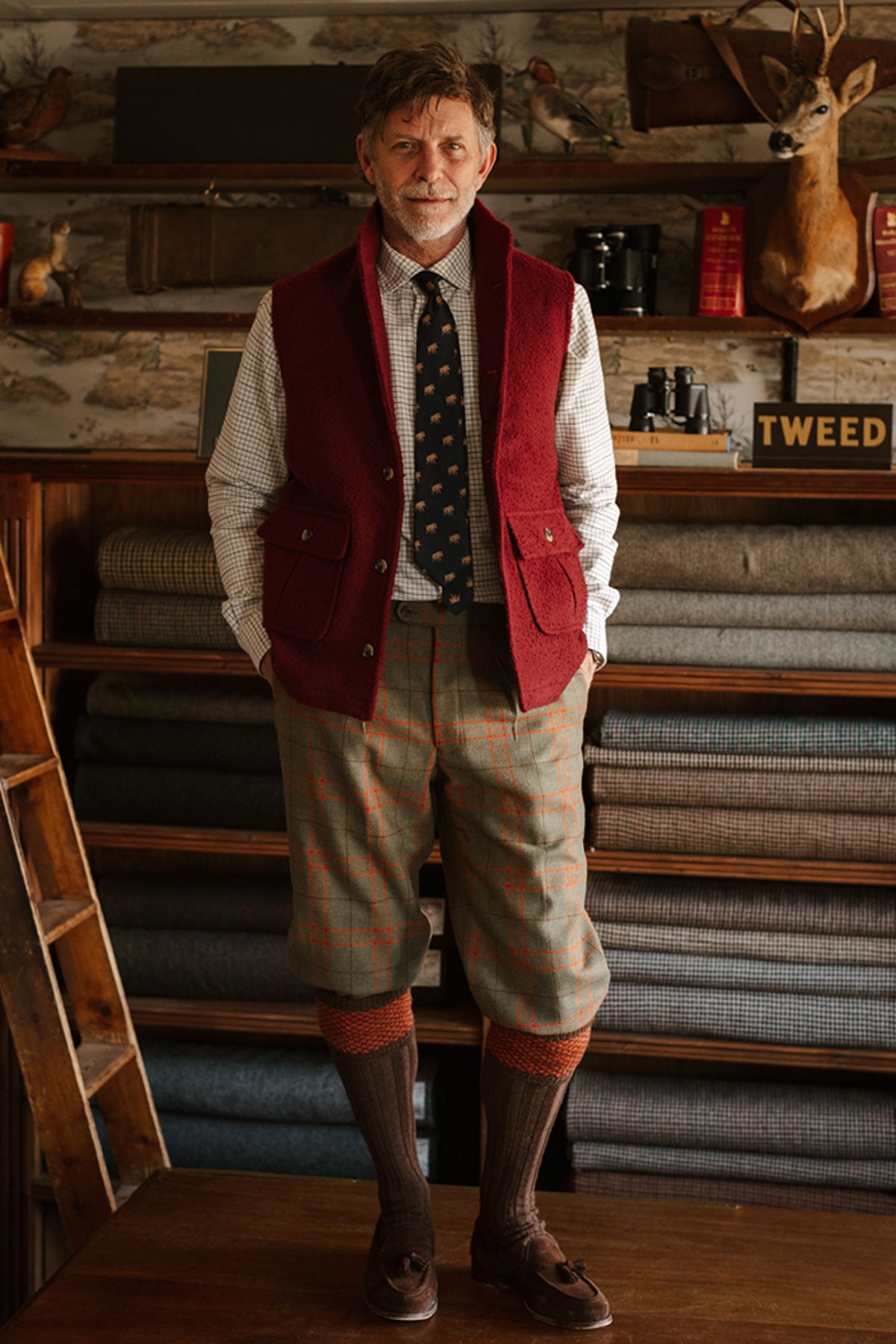
Traditionally, breeks and plus fours are worn with long shooting stockings, folded neatly below the knee, with garter flashes securing them in place.
Sturdy brogues or country shoes are appropriate for drier conditions, while wellington boots remain the practical choice for wet days in the field.
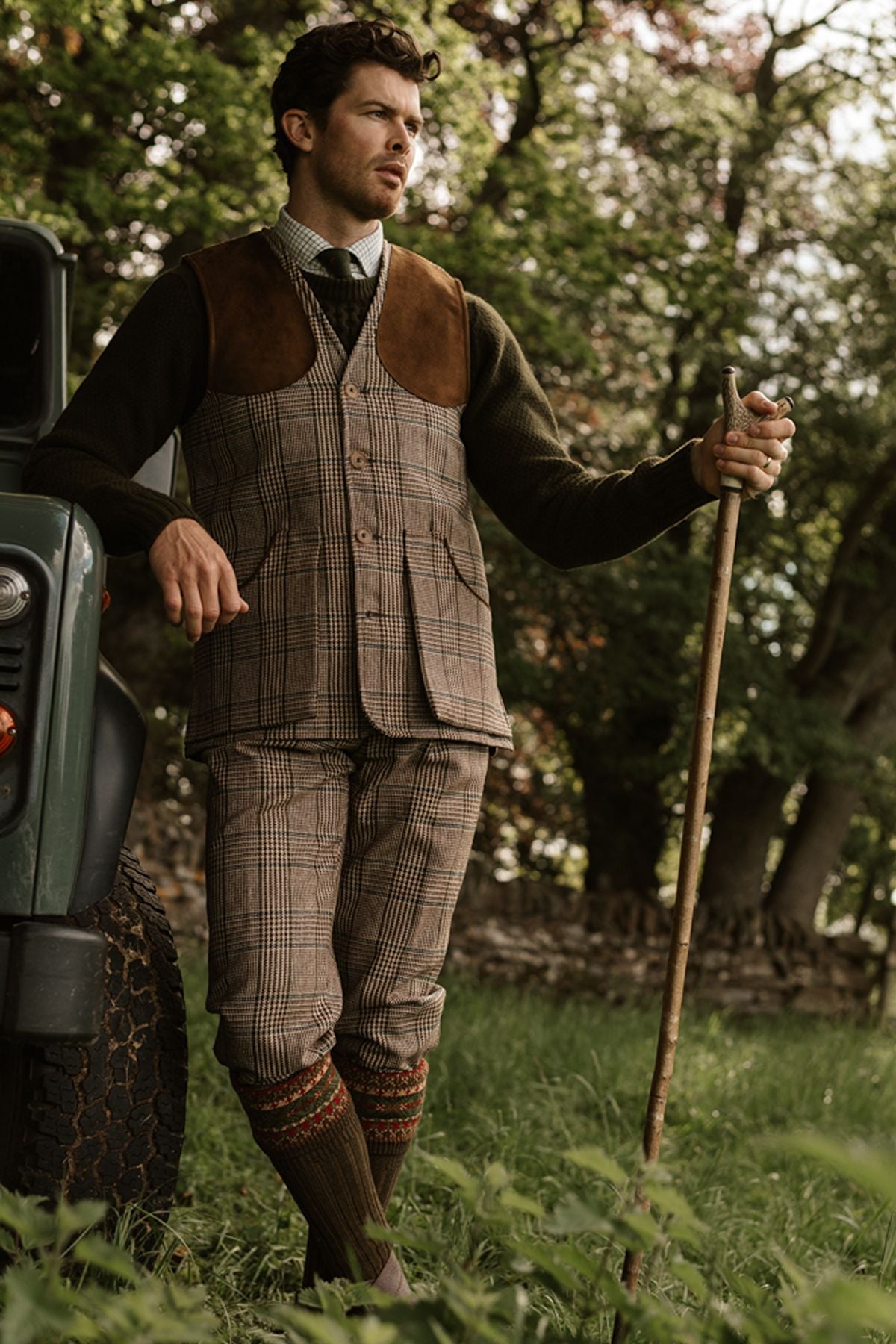
For a traditional shooting outfit, pair tweed breeks with a matching jacket and waistcoat, a checked country shirt and wool tie. A flat cap completes the ensemble.
For a more relaxed appearance, wear them with a Shetland jumper, quilted waistcoat or waxed jacket.
There is no requirement for every garment to match. Indeed, a well-chosen mixture of tweeds and traditional country cloths often makes for a particularly handsome combination.
Getting the Fit Right at Campbell’s
One detail worth remembering is that we size our plus fours according to their true waist measurement.
Unlike some modern clothing brands, which use generous measurements behind smaller labels, a Campbell’s 36-inch waist measures a genuine 36 inches.
We therefore recommend measuring your waist with a tape measure rather than relying entirely on the size of your everyday trousers.
Our team in Beauly is always happy to advise on sizing, fit and the most appropriate cloth for your intended use.
A Country Clothing Essential
Plus fours, plus twos and breeks have survived changing fashions for a simple reason: they were designed for a purpose, and they continue to perform it exceptionally well.
Whether you favour the generous proportions of traditional plus fours, the neater appearance of plus twos or the practicality of classic tweed breeks, each has its place in the sporting wardrobe.