
Skip to content

Cart

Your cart is empty

Continue shopping

Discover SS26

A young man in a Campbell's of Beauly Field Chore Jacket II and blue pants leans against a red wooden wall, holding two wooden rolling pins adorned with colorful bands, gazing thoughtfully into the distance.
Colour
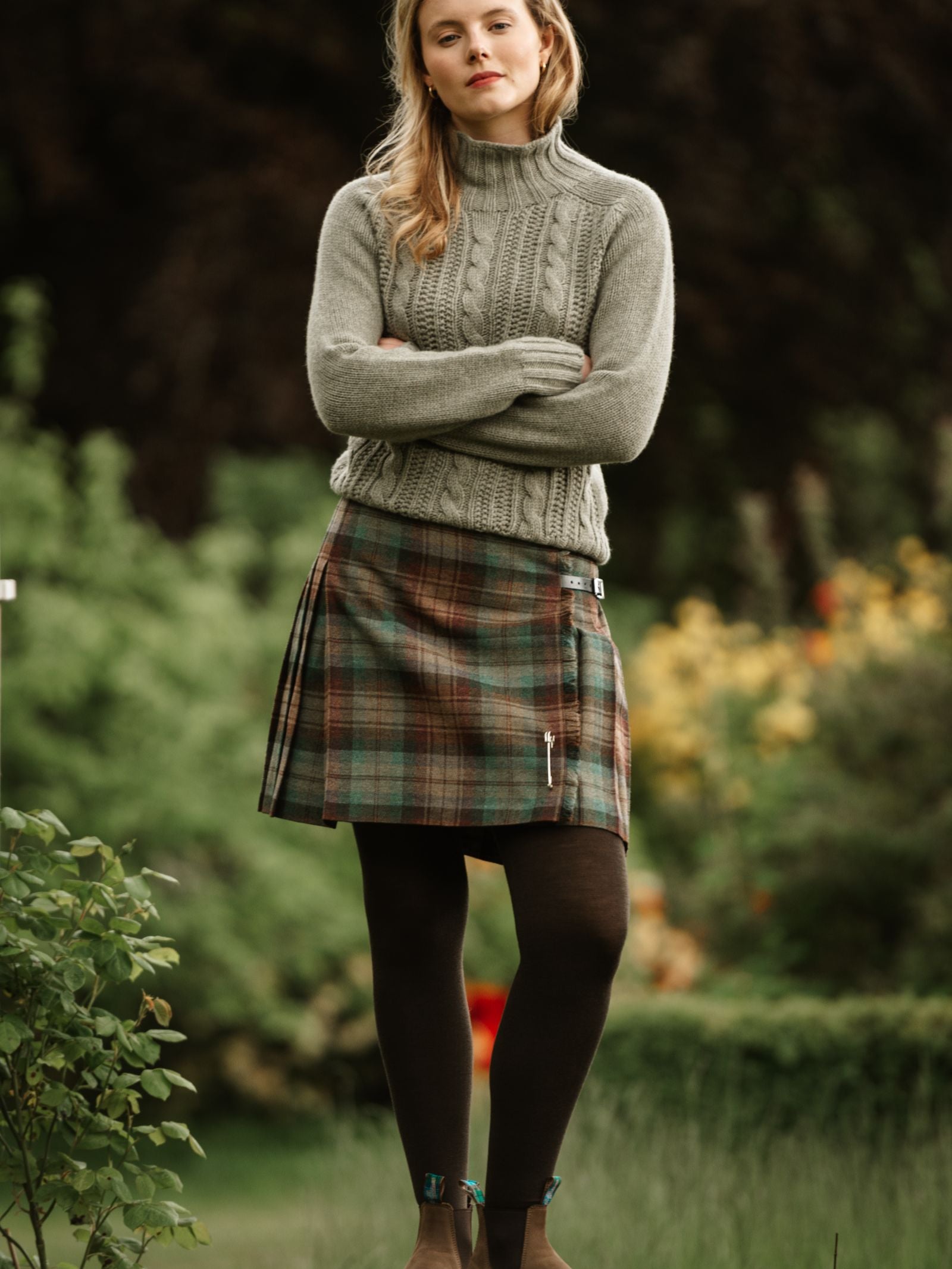
A woman wearing a patterned sweater over a collared shirt and a Campbell’s of Beauly Tweed Kilt, leaning against a stone wall draped with a tartan blanket.
Sale Price£225.00
(5.0)
Colour
A man wearing a white Auld Stock Shetland Cricket Sweater with yellow and black striped trim, leaning on a white railing near several cricket bats.
Sale Price£176.00 Regular Price£220.00
Colour
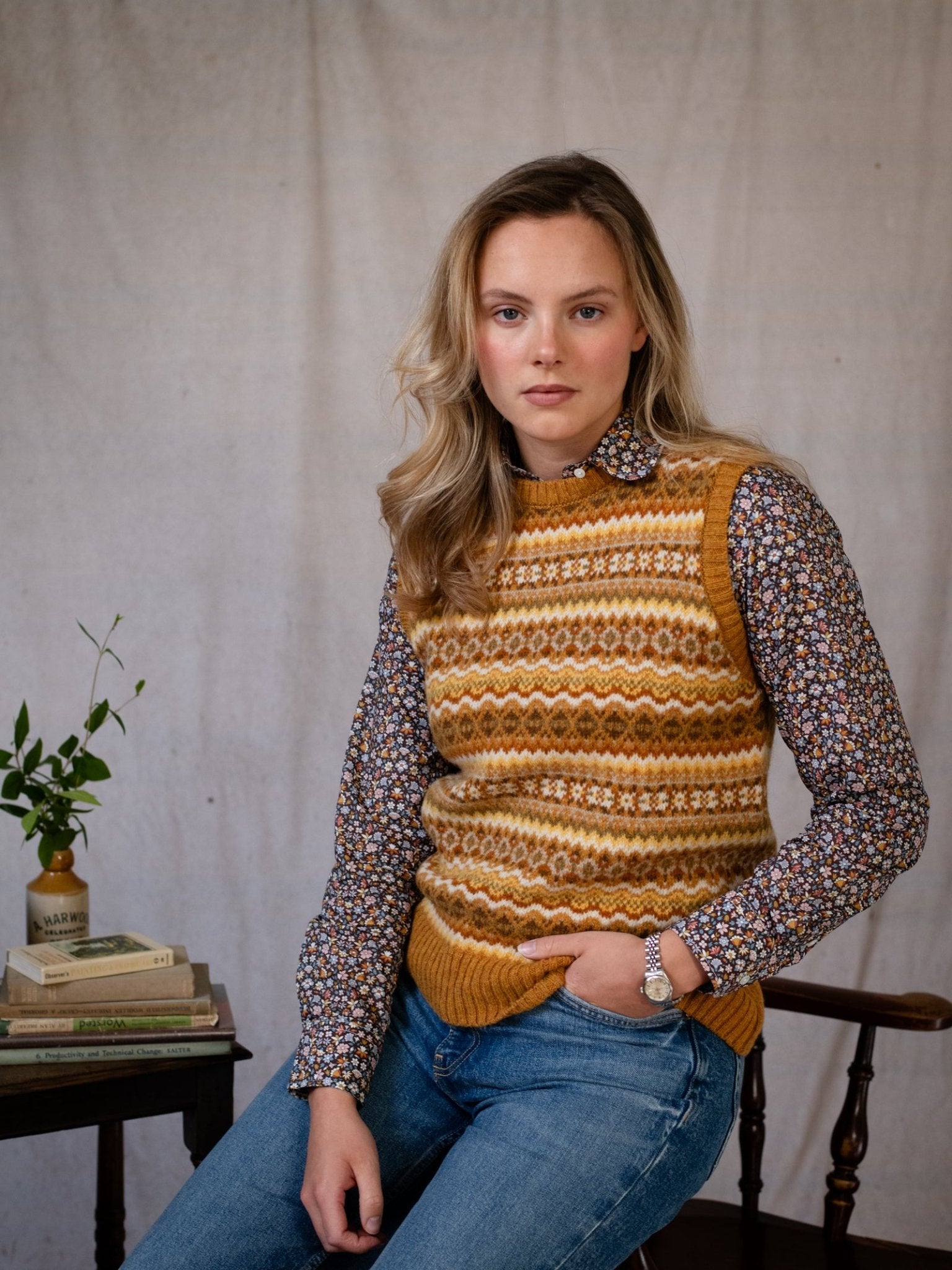
A woman in a Campbell's of Beauly Fairisle Crew Tank, floral shirt, jeans, and pink cap sits on grass leaning against a vintage white car with one knee up and a relaxed expression.
Sale Price£180.00
(5.0)
Colour

History of Estate Tweed

For generations, Campbell’s of Beauly has been trusted by Scotland’s great estates, weaving tradition into every thread.

Since 1858, we have worked with estates across the country, from the rugged glens of the West Coast to the sweeping grouse moors of Aberdeenshire, designing and producing clothing made to endure the land and the life upon it.
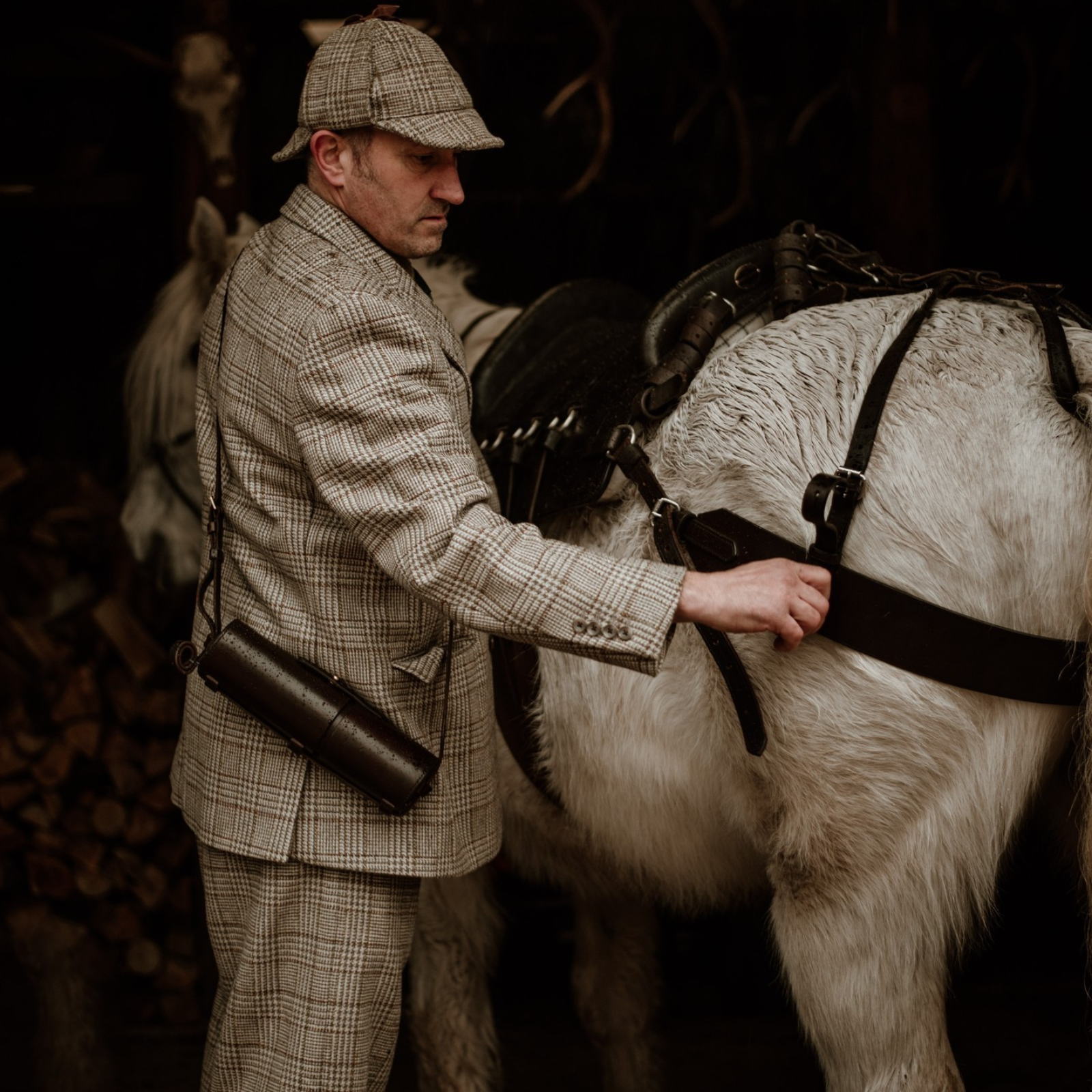
A man in a plaid suit and hat adjusts the harness on a white horse. He carries a cylindrical case over his shoulder. The background is dimly lit with stacked firewood visible.
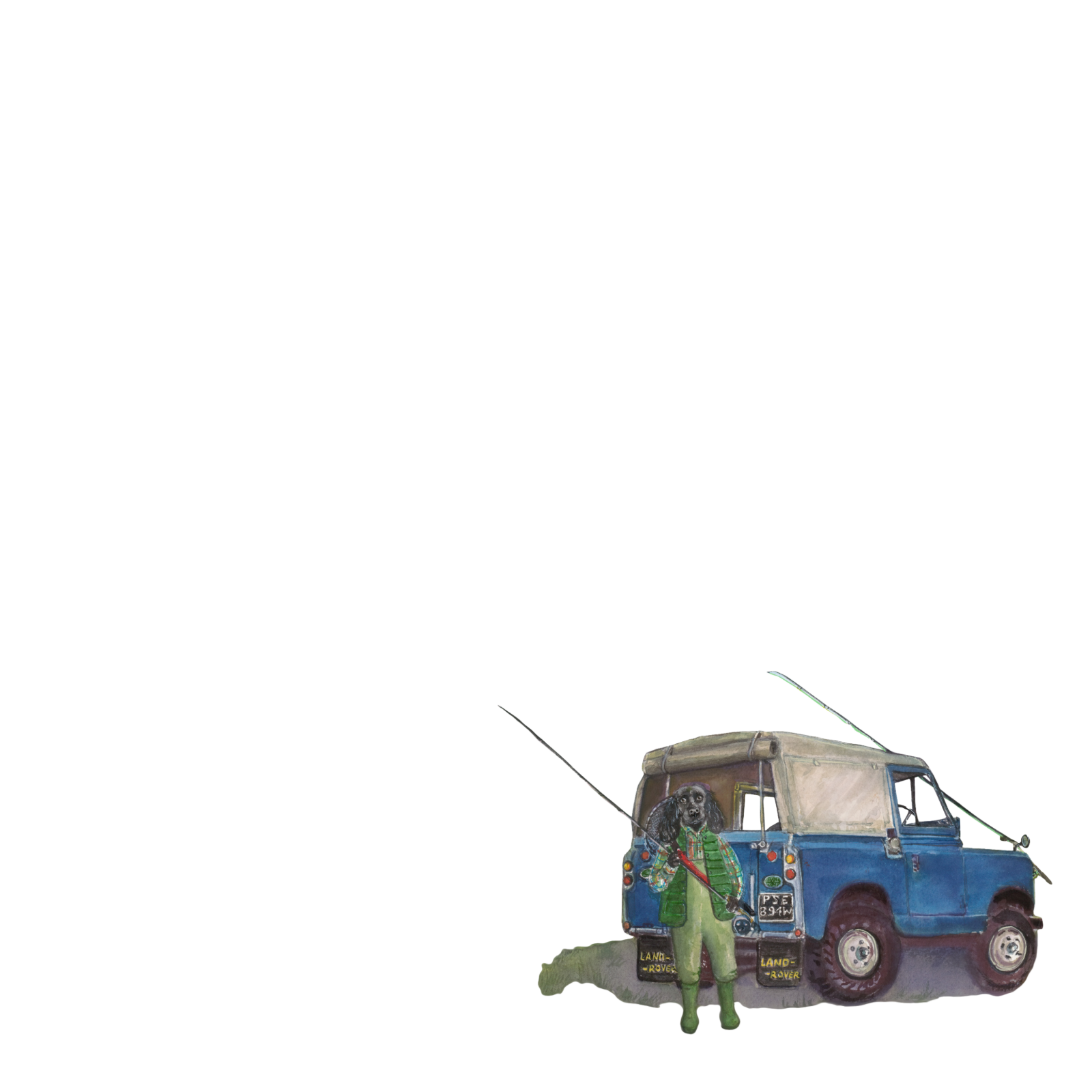
A person in green waders stands by a blue off-road vehicle with fishing rods attached, holding a dog and fishing gear, against a plain white background.

Estate tweed was born of practicality, designed to help land workers blend into the landscapes they cared for. From the stony greys and sea-washed blues of the West Coast to the deep greens of the Borders, each pattern reflects Scotland’s terrain and a legacy of purposeful craft.
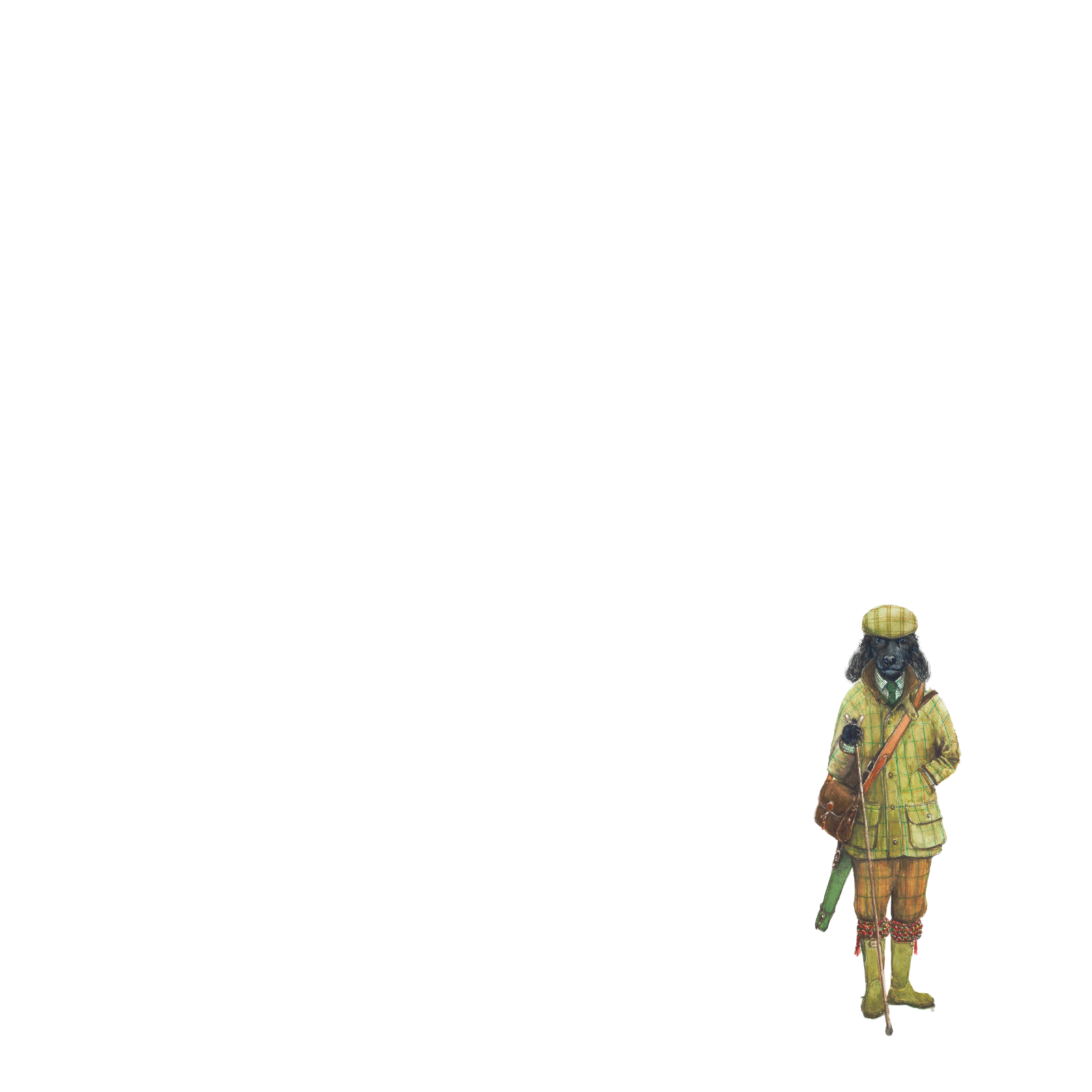
A person dressed in yellow hunting attire, holding a rifle and wearing boots and a cap, stands in the bottom right corner against a mostly blank white background.

Estate tweeds are not just pieces of cloth, they are emblems of place and history. Each pattern is unique to its estate, passed down through generations and worn exclusively by owners, gamekeepers and stalkers.
