



Choosing Your Scottish Jumper: Shetland Wool or Lambswool?
Two of Scotland’s finest knitwear traditions, each with its own character. We explore the differences between Shetland wool and lambswool, and how to choose the right jumper for your wardrobe.
There are few things we appreciate more at Campbell’s than a good woollen jumper. Living and working in the Scottish Highlands, we have always considered proper knitwear something of a necessity rather than a luxury.
Two particular favourites are Shetland wool and lambswool. Both offer natural warmth, comfort and a long association with Scottish knitwear, yet they are rather different in character.
The question is not necessarily which is better, but which is better suited to you.
What Is Shetland Wool?
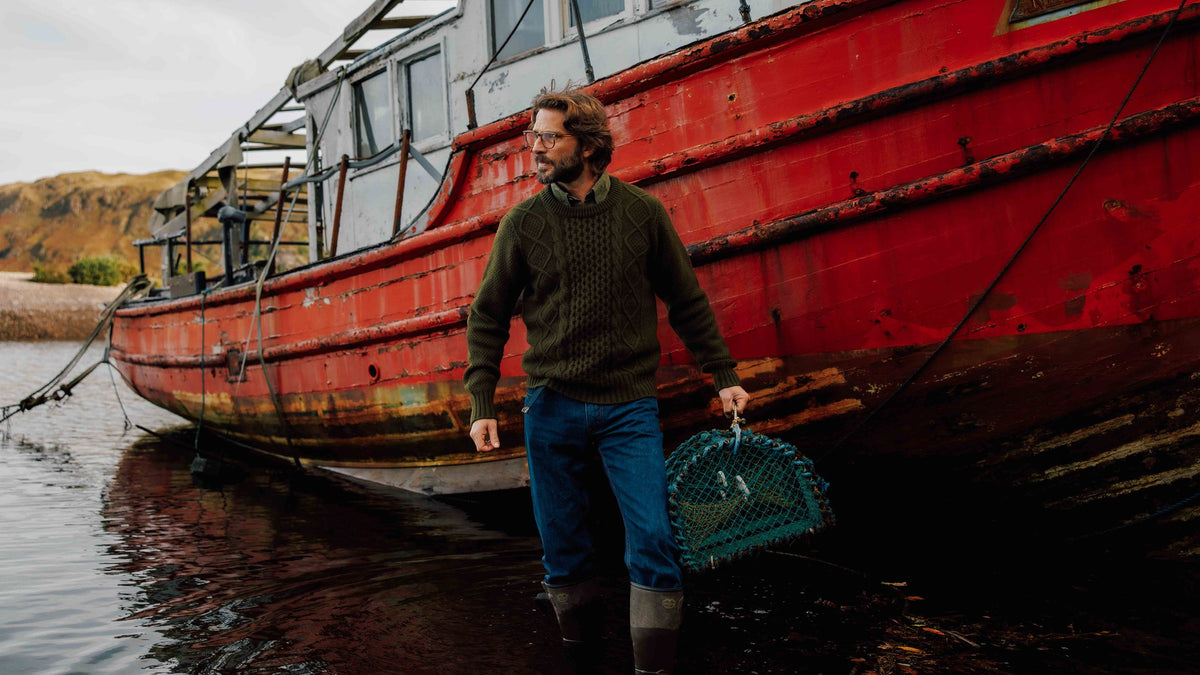
Shetland wool takes its name from the Shetland Islands, the rugged archipelago northeast of mainland Scotland. For centuries, the islands have been home to a distinctive breed of sheep, prized for their fine yet resilient fleeces.
The Shetland sheep has adapted over generations to exposed hillsides, salt-laden winds and unpredictable weather. Its wool reflects these conditions, offering excellent warmth without unnecessary weight.
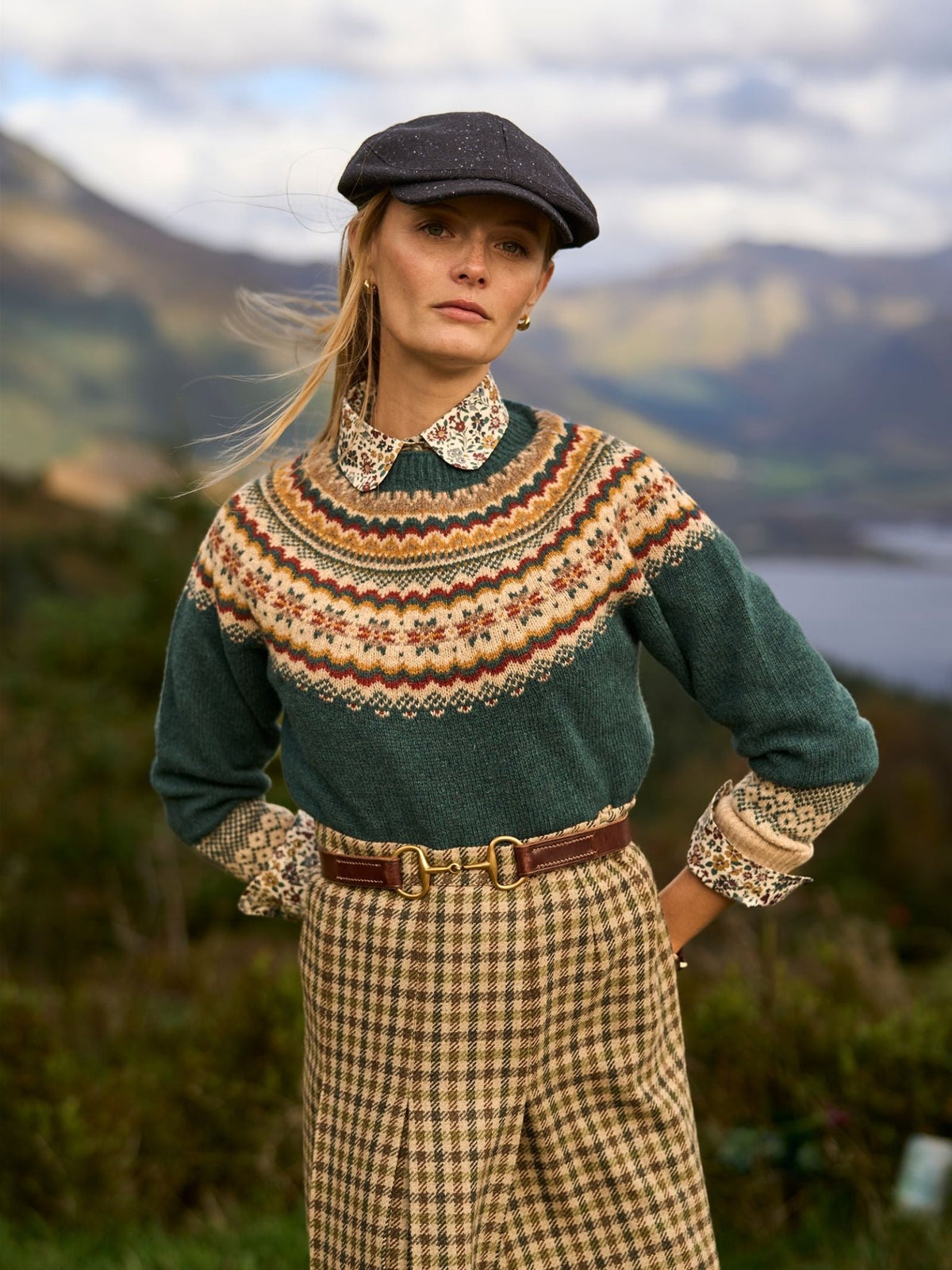
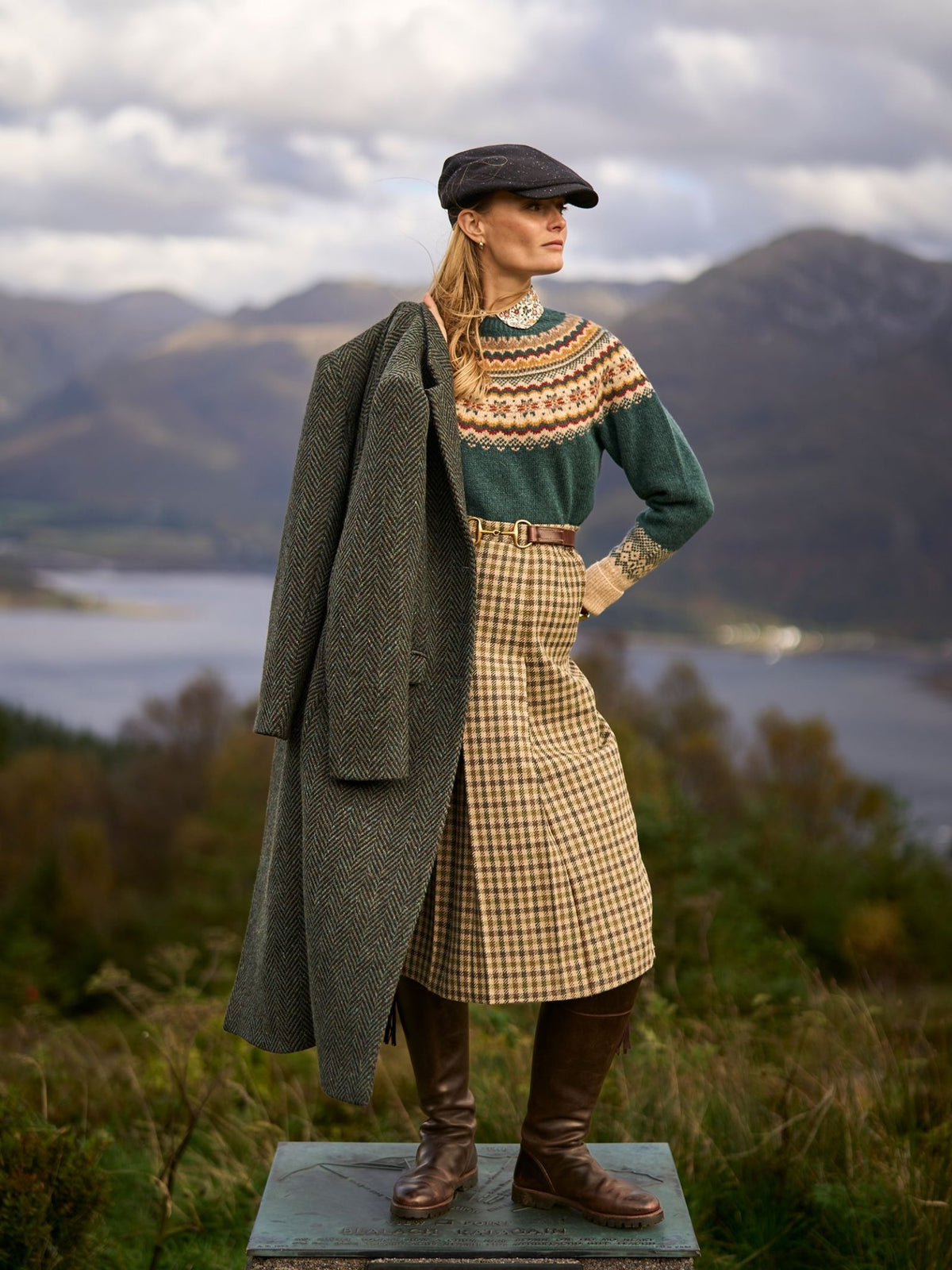
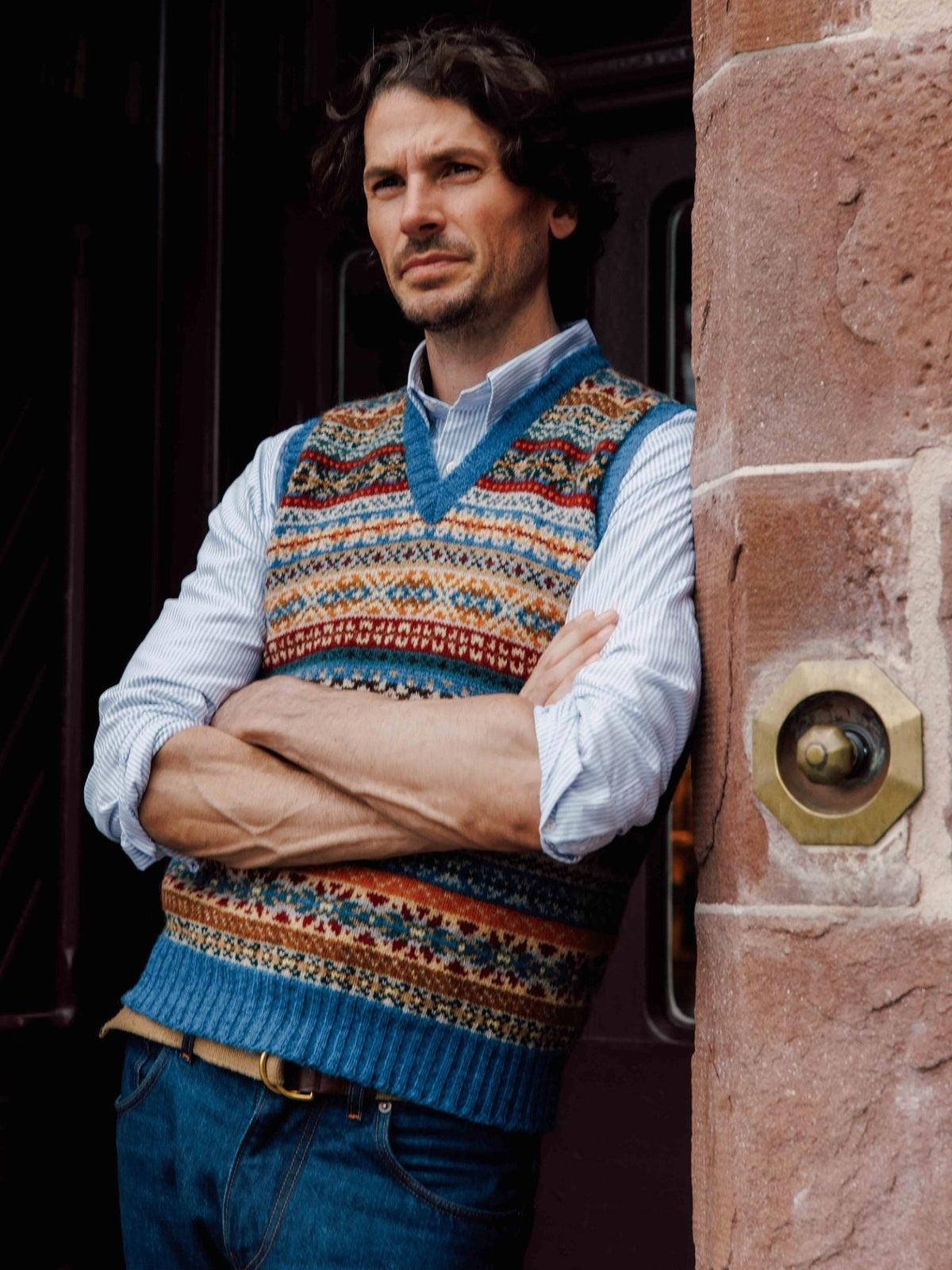
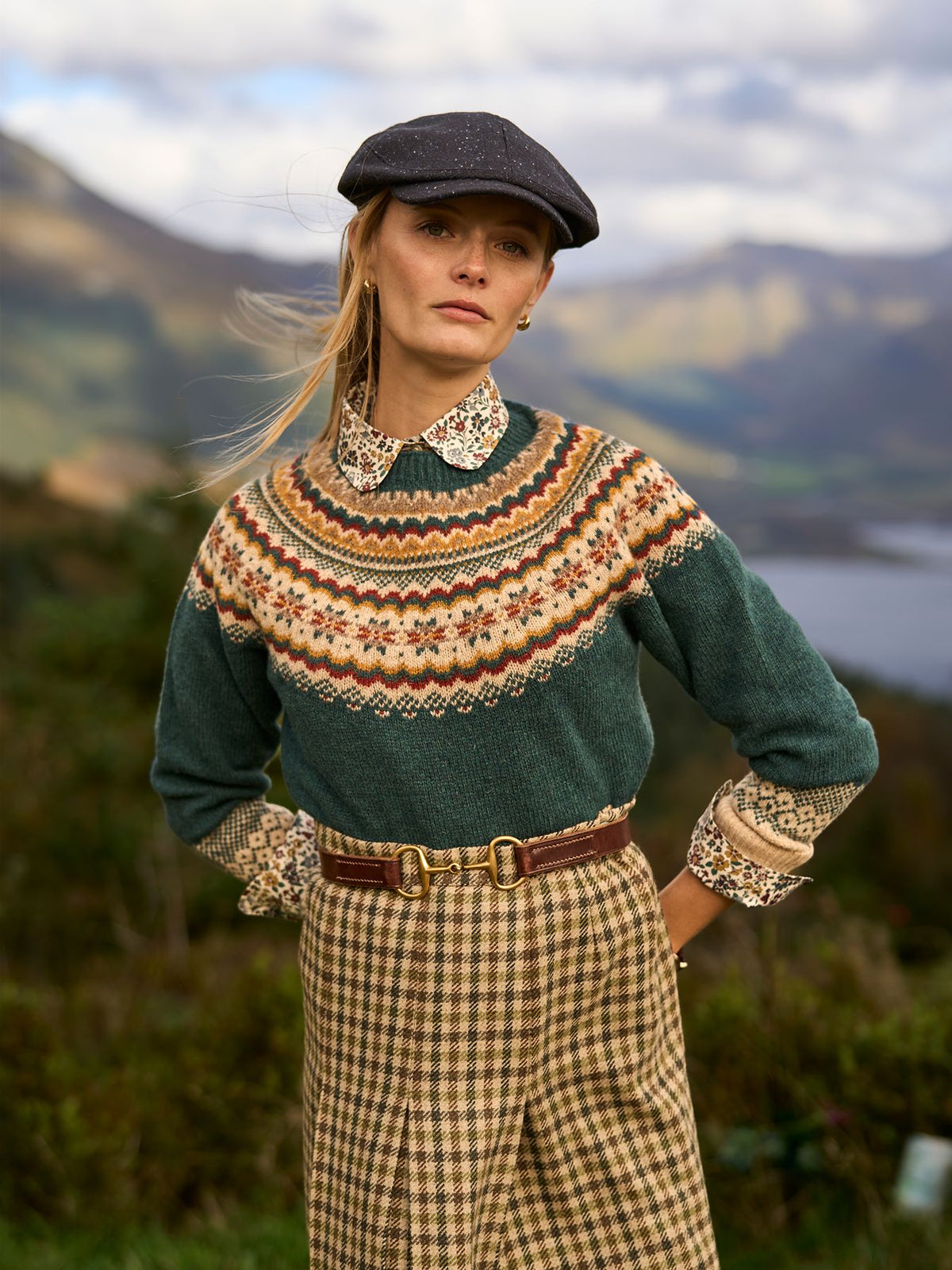
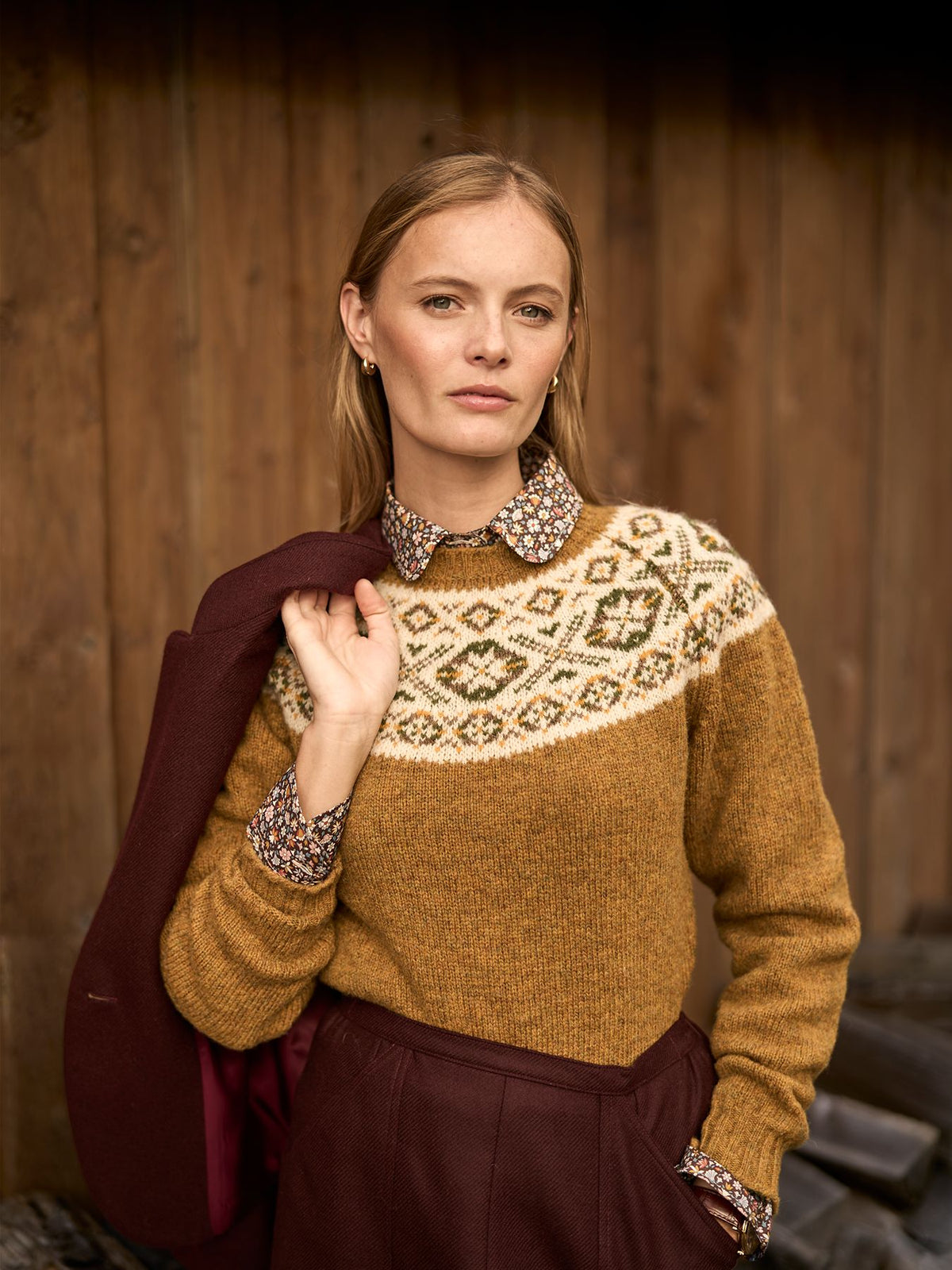
Shetland knitwear is one of Scotland’s most recognisable contributions to traditional clothing. From intricate Fair Isle patterns to the classic plain crew-neck jumper, it has long been admired for its practicality, texture and character.
A traditional Shetland jumper has a slightly more rustic handle than lambswool. The fibres are generally springy and airy, giving the garment a pleasingly textured appearance. Some people find Shetland wool a little prickly against bare skin, although this varies depending on the yarn and finishing process.
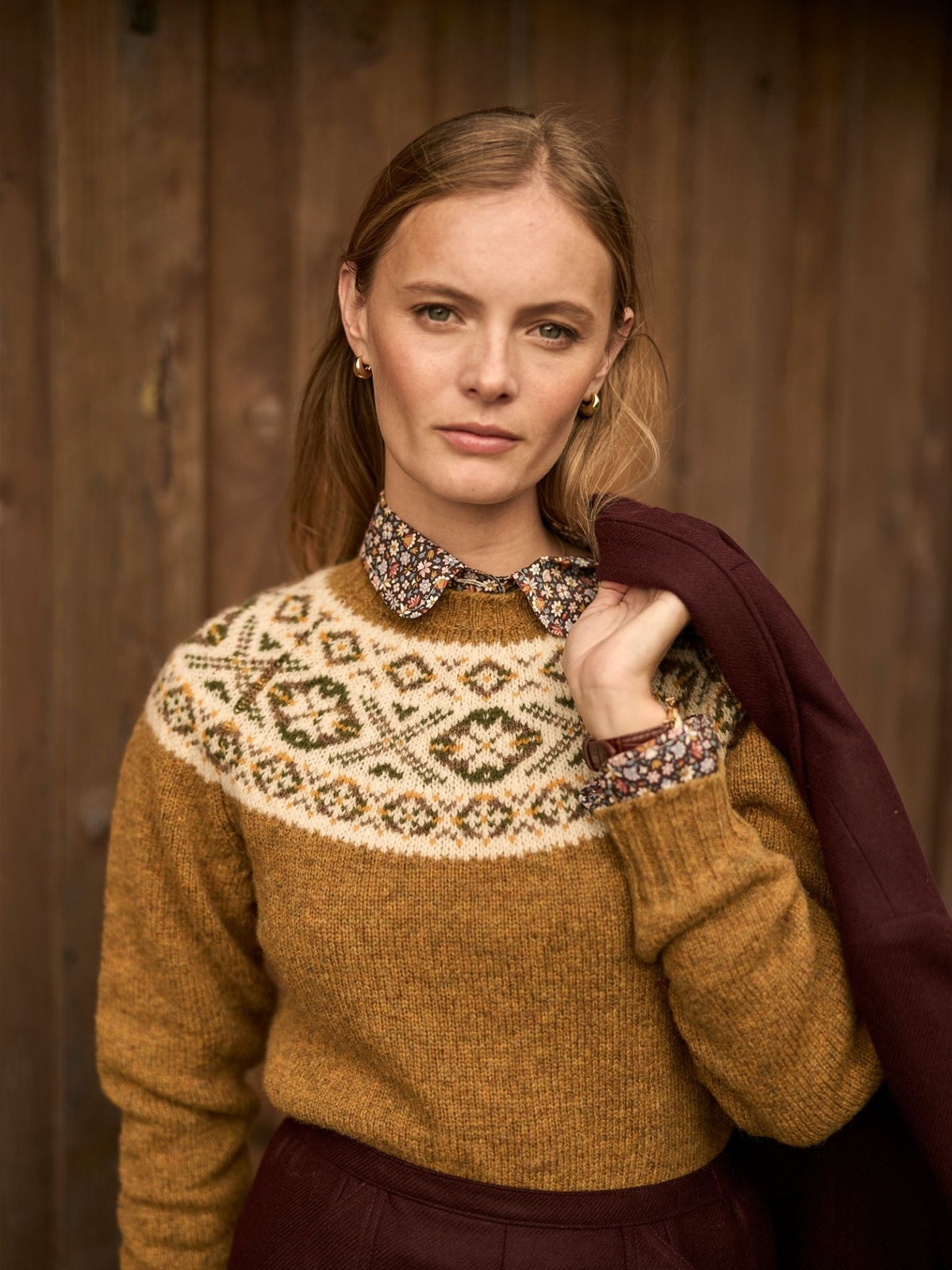
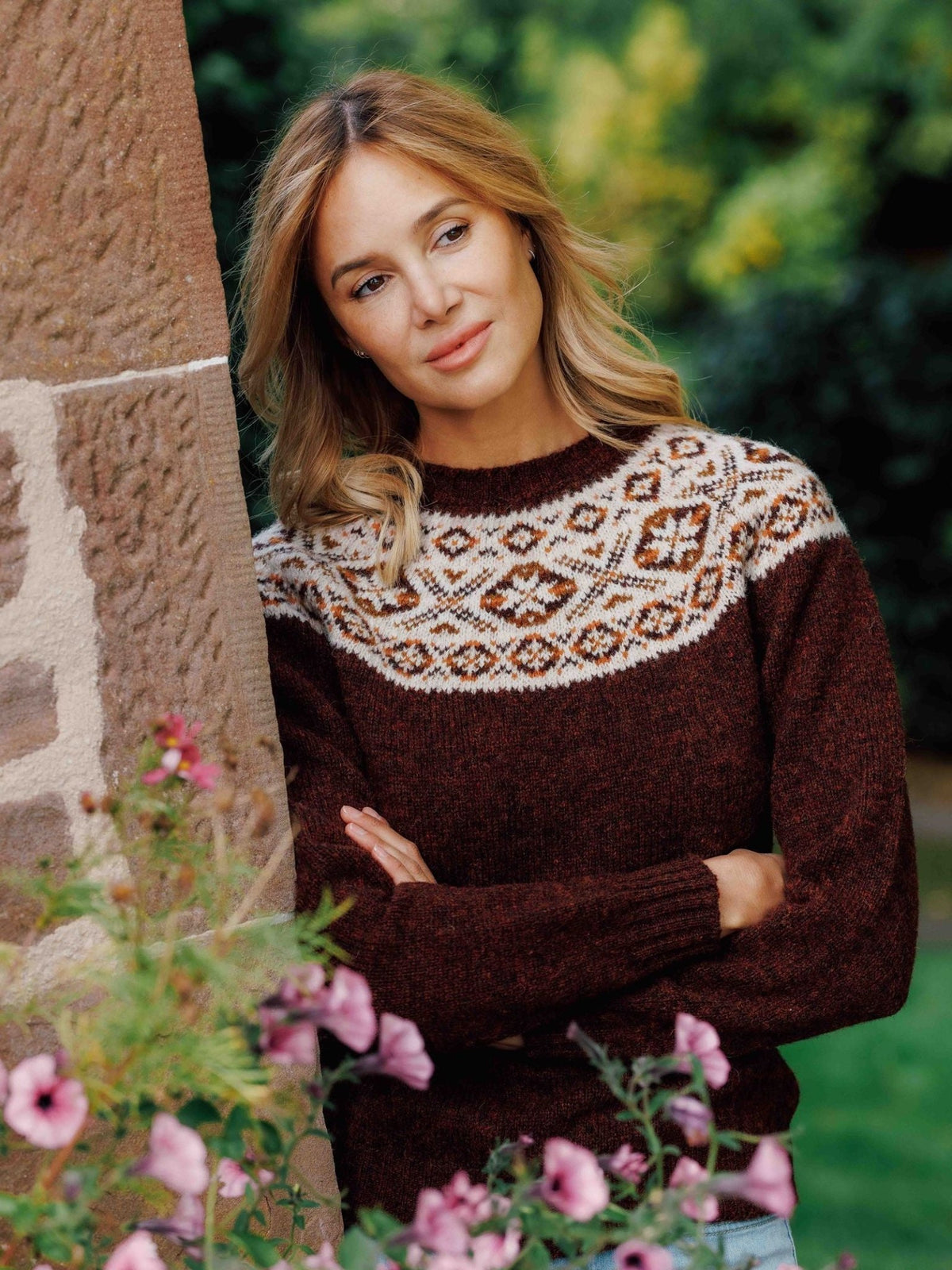
At Campbell’s, our Shetland jumpers have long been among our most popular pieces, not least because of the wonderful range of colours available.
What Is Lambswool?
Lambswool refers to wool taken from a sheep's first shearing. Unlike Shetland wool, which identifies a particular breed, lambswool describes the age at which the fleece is obtained.
The fibres are typically finer and softer than those of wool from older sheep, making lambswool particularly well suited to comfortable everyday knitwear.
Scottish lambswool jumpers are celebrated for their softness, warmth and smooth appearance. They tend to feel gentler against the skin than traditional Shetland knitwear and are often a good choice for those who prefer a less textured garment.
A lambswool jumper can also have a slightly neater appearance, making it particularly useful beneath a tailored jacket or over a shirt.
What's the Difference?
Although both are natural wool fibres, the differences become apparent when you handle the finished jumpers.
Texture and softness
Shetland wool generally has a more pronounced, rustic texture, while lambswool is usually softer and smoother against the skin. For those particularly sensitive to wool, lambswool is often the more comfortable choice.
Warmth
Both provide excellent insulation. Shetland knitwear often has an airy structure that traps warmth effectively, while lambswool offers similar insulating qualities with a softer handle. The weight and construction of the jumper make as much difference as the wool itself.
Appearance
Shetland wool has a distinctive, characterful finish that lends itself beautifully to traditional country clothing. Lambswool generally presents a smoother, more refined appearance.
Durability
Both can provide many years of wear when properly cared for. Shetland wool is valued for its resilience, while finer lambswool may require a little more care to avoid abrasion and pilling.

How to Wear a Shetland Jumper
A Shetland jumper is one of the most useful pieces in a traditional country wardrobe.
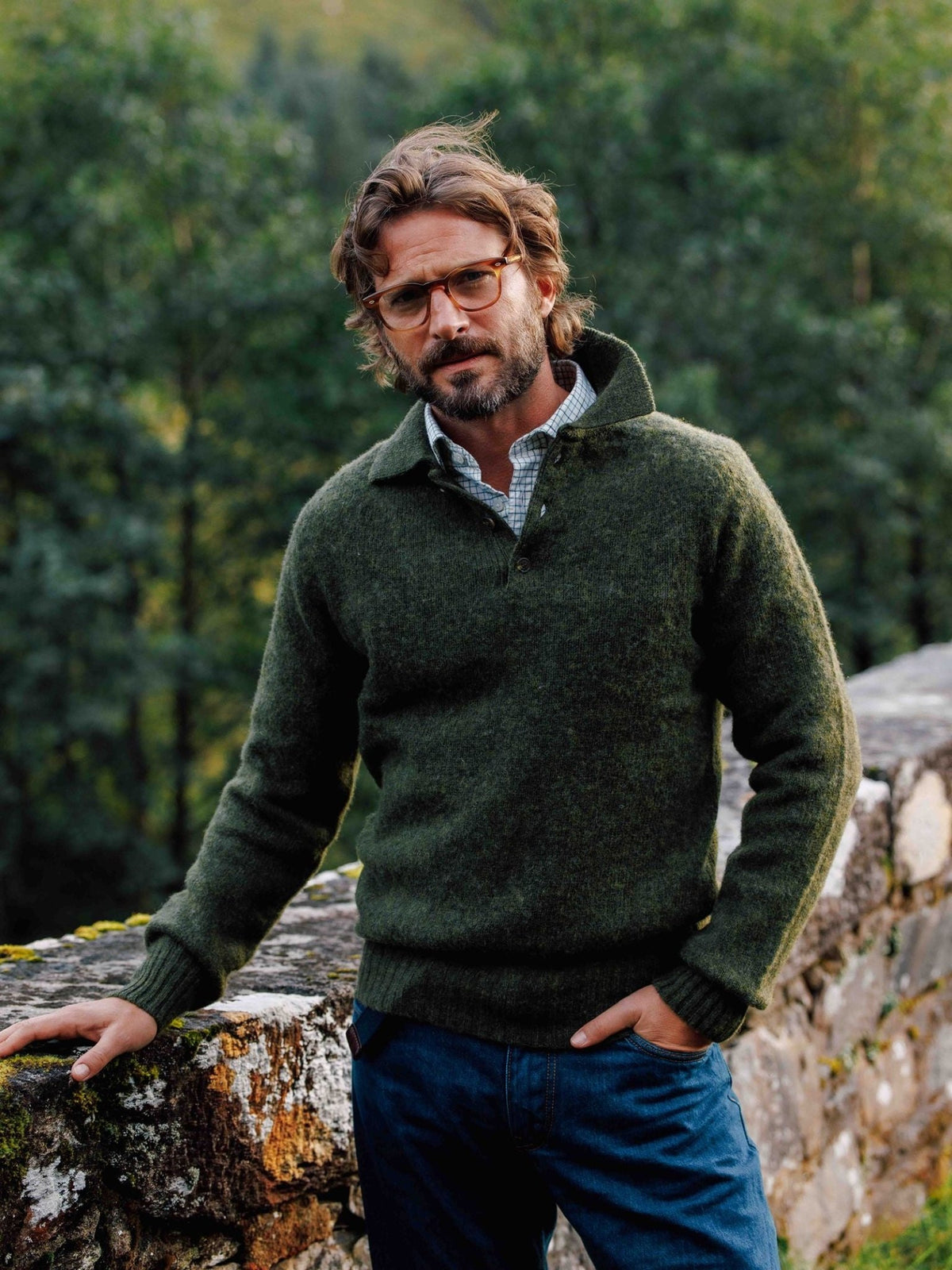
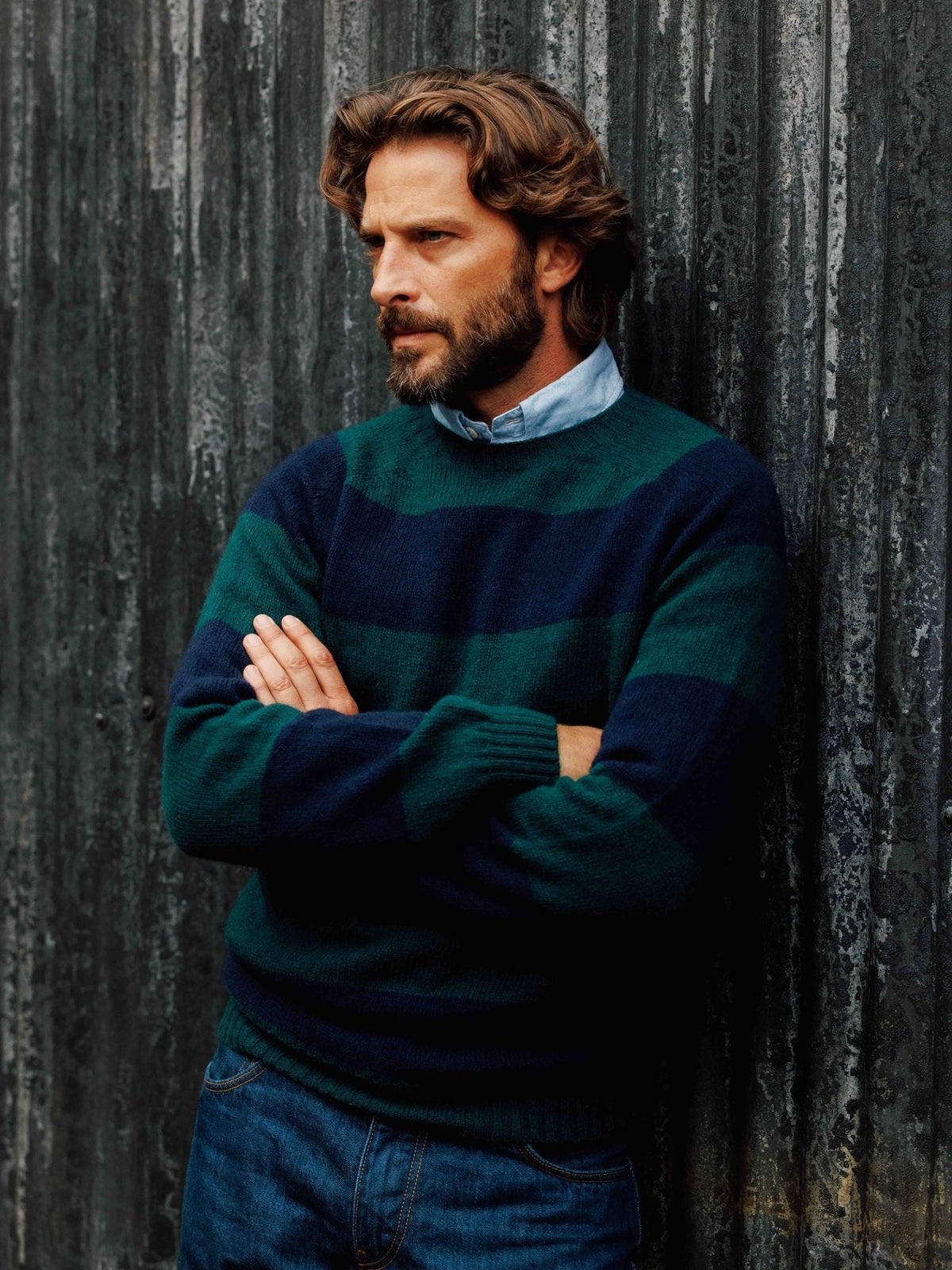
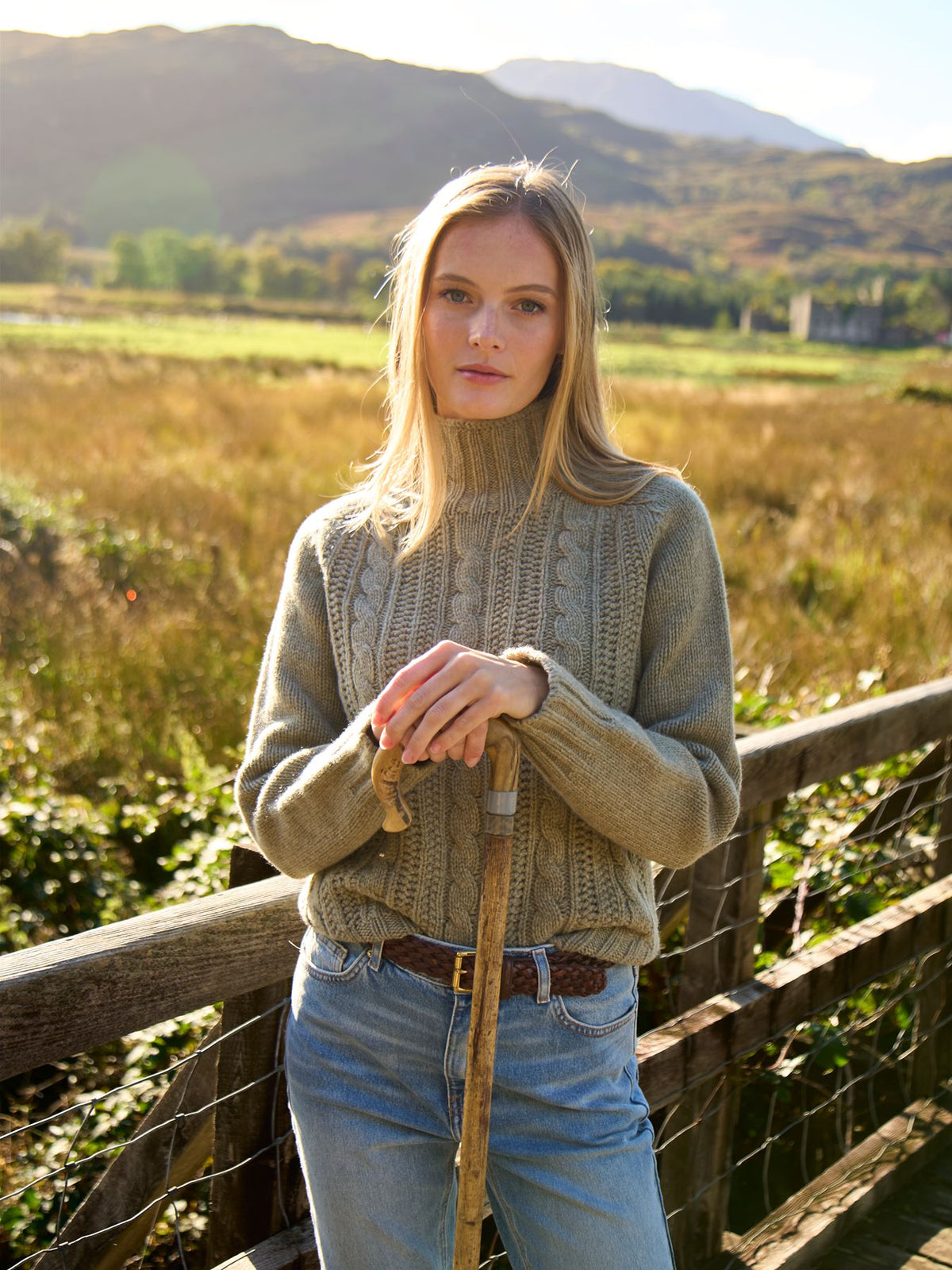
For a classic Highland combination, wear a crew-neck Shetland over a checked shirt, with corduroy or cavalry twill trousers and a tweed jacket. The texture of the wool sits particularly well alongside country cloth.
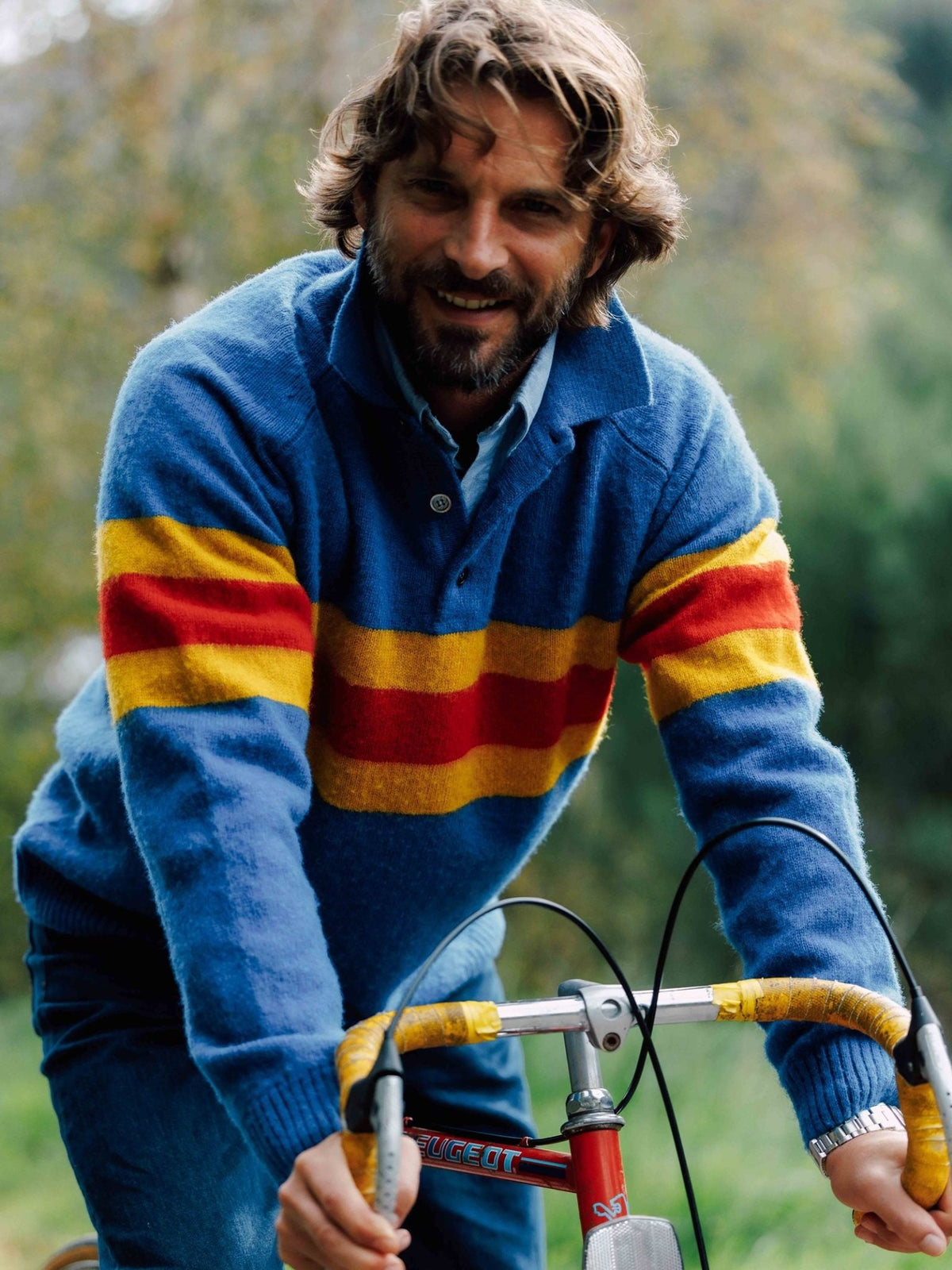
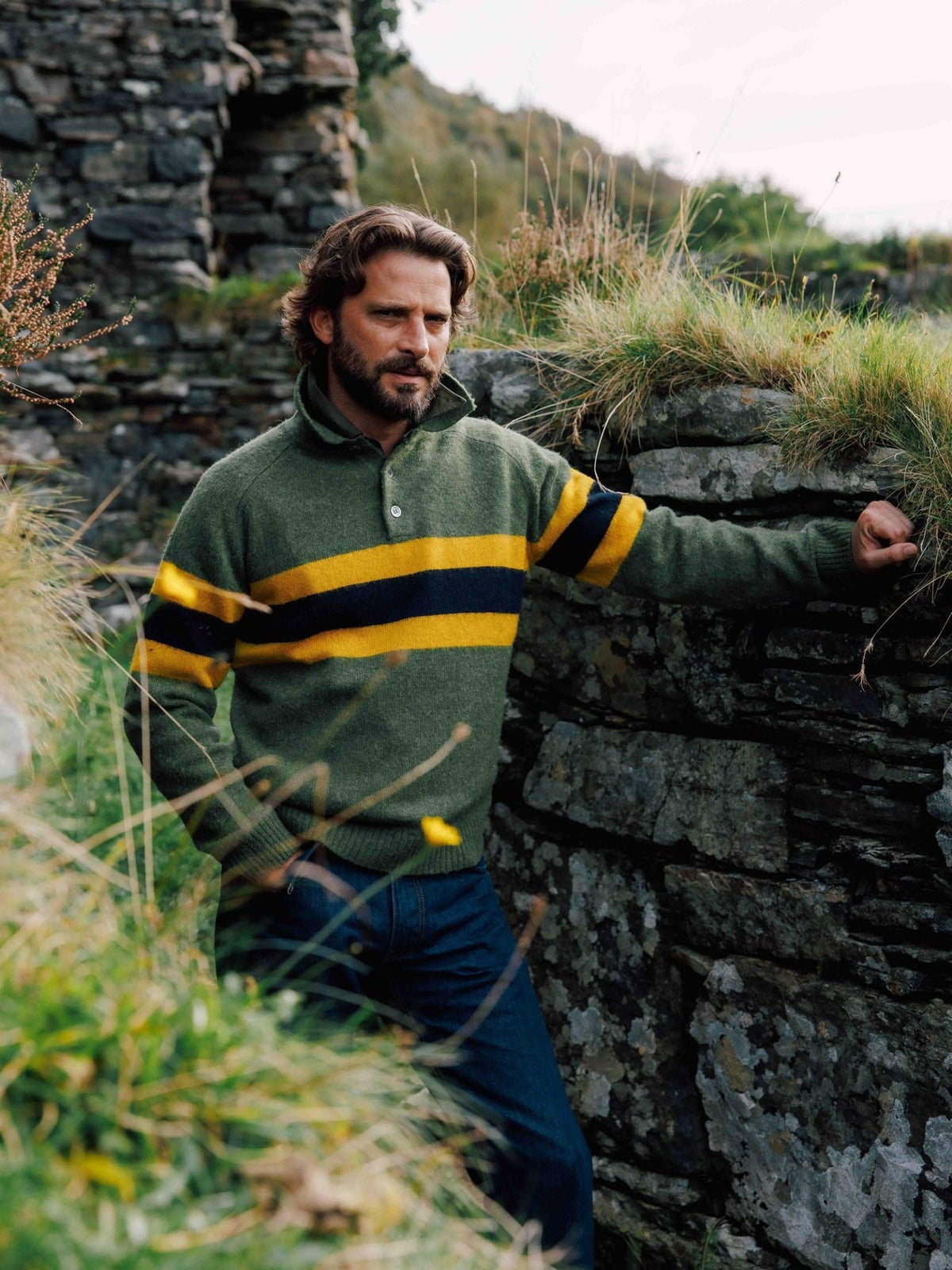
Shetland knitwear also offers a wonderful opportunity to introduce colour. Rich greens, warm rusts, yellows, blues and heather shades all work beautifully with more muted tailoring.
For less formal occasions, a Shetland jumper worn with denim and a waxed jacket is difficult to improve upon.
How to Wear a Lambswool Jumper
Lambswool is particularly well suited to occasions when a slightly softer, neater appearance is called for.
A fine lambswool crew neck worn over an Oxford shirt and beneath a sports jacket is a dependable combination for town or country. Navy, charcoal, bottle green and burgundy are particularly versatile colours.
A lambswool V-neck works especially well with a shirt and tie, offering warmth without adding too much bulk beneath a jacket.
For a relaxed weekend, a lambswool jumper with chinos or corduroys provides a comfortable alternative to heavier knitwear.
How to Care for Your Woollen Jumper
Whether you choose Shetland or lambswool, a little care will help preserve its shape and appearance.
Wool is naturally resistant to odours, so jumpers do not need washing after every wear. Often, allowing a garment to air between uses is sufficient.
When washing is necessary, follow the care label. Use a suitable wool detergent, avoid excessive agitation and dry the garment flat, away from direct heat.
Woollen jumpers should also be folded rather than hung, as hanging can cause the shoulders to stretch.
So, Which Should You Choose?
If you enjoy traditional country clothing, appreciate a little texture and like your knitwear to have plenty of character, a Shetland jumper is difficult to beat.
If softness against the skin is your priority, or you prefer something smoother beneath a jacket, lambswool may be the better choice.
Of course, there is no particular reason to choose one over the other. Both have their place in a well-considered wardrobe.
Our advice? Start with a good Scottish-made jumper in a colour you will wear regularly. Whether Shetland or lambswool, it is likely to become an old favourite.
And once you have one, you may find it rather difficult to stop there.
Why Choose Scottish-Made Knitwear?
Scotland’s woollen heritage spans generations, from the fine knitwear of the Borders to Shetland’s distinctive knitting traditions. Every stage, from selecting wool to shaping and finishing, influences how a jumper feels, fits and lasts.
At Campbell’s, we favour natural fibres and traditional Scottish manufacturing, choosing knitwear to be worn and enjoyed for years.