



Champagne Paul-Michel
From Beauly to the Côte des Blancs, we sit down with vigneron Geoffroy
Michel of Champagne Paul-Michel to explore the family values and
traditions connecting two independent businesses
Welcome to Campbell’s Clientele, a series celebrating the people who inspire us. Friends of the brand who live, work and explore with the same love for craftsmanship, tradition and community that we hold dear. Discover all stories here.
Could you tell us a little about your family and the history of your Champagne house?
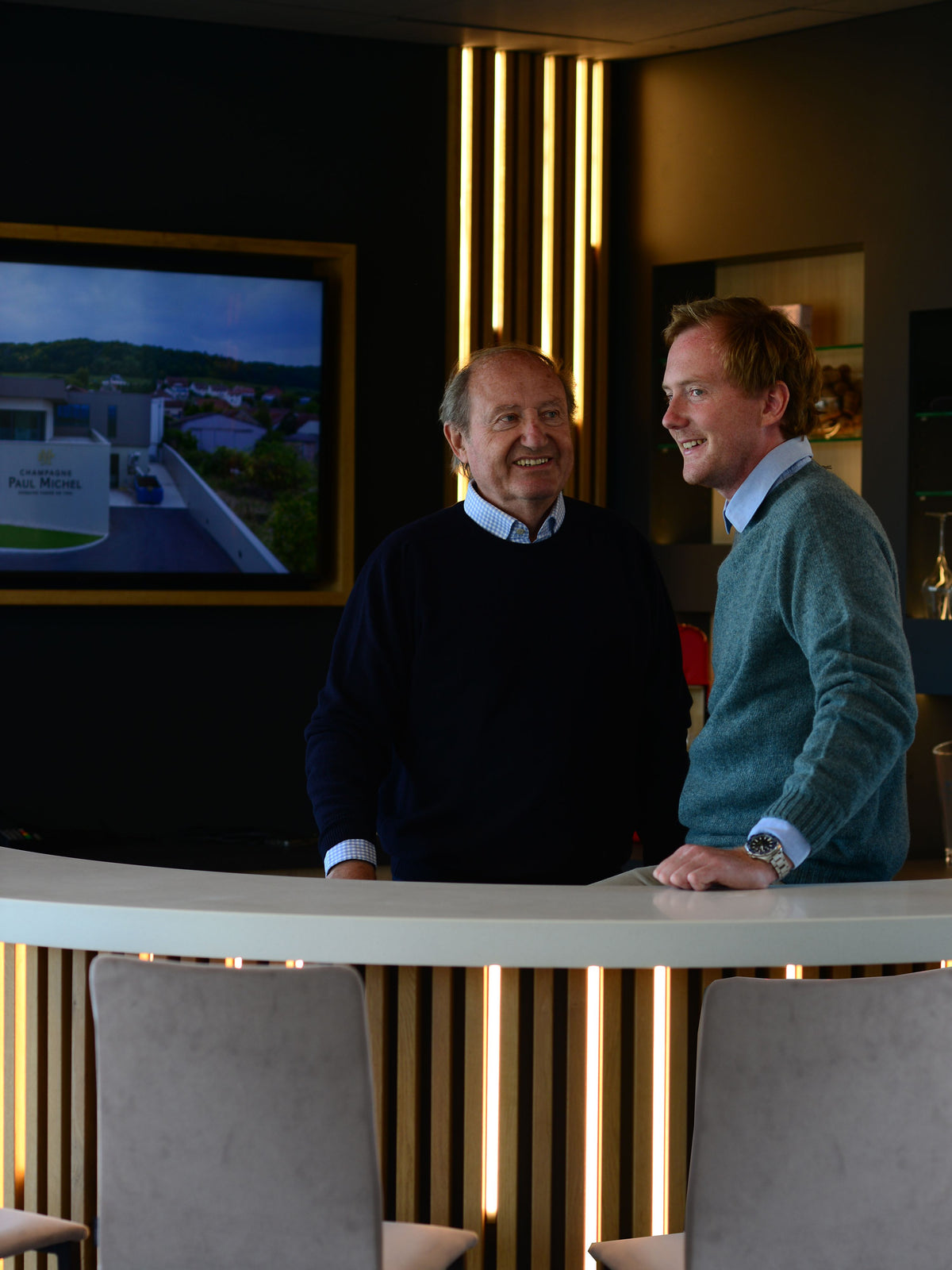
The Michel family have been winemakers since 1847. My Grandfather Paul was the eldest of nine siblings. He was considered a visionary of his time, and when he met his wife, who also happened to own a few vines, they decided to start a new business venture together, creating what was then known simply as Champagne Michel, releasing their first cuvées - in wine terms, generally a specific batch, blend, or tank of wine - in 1952. My grandmother, Madame Michel, is still alive at the grand age of 96 and still resides at our property in the village of Cuis. They say wine is in the blood, and it’s not unknown for her to still jump in her car and tend to her favourite vines. I succeeded my Uncle Philippe, and alongside my father Denis, we continue to work with great passion and vigour to carry on the family legacy.
What do you think distinguishes a boutique Champagne producer like yours from the larger houses?
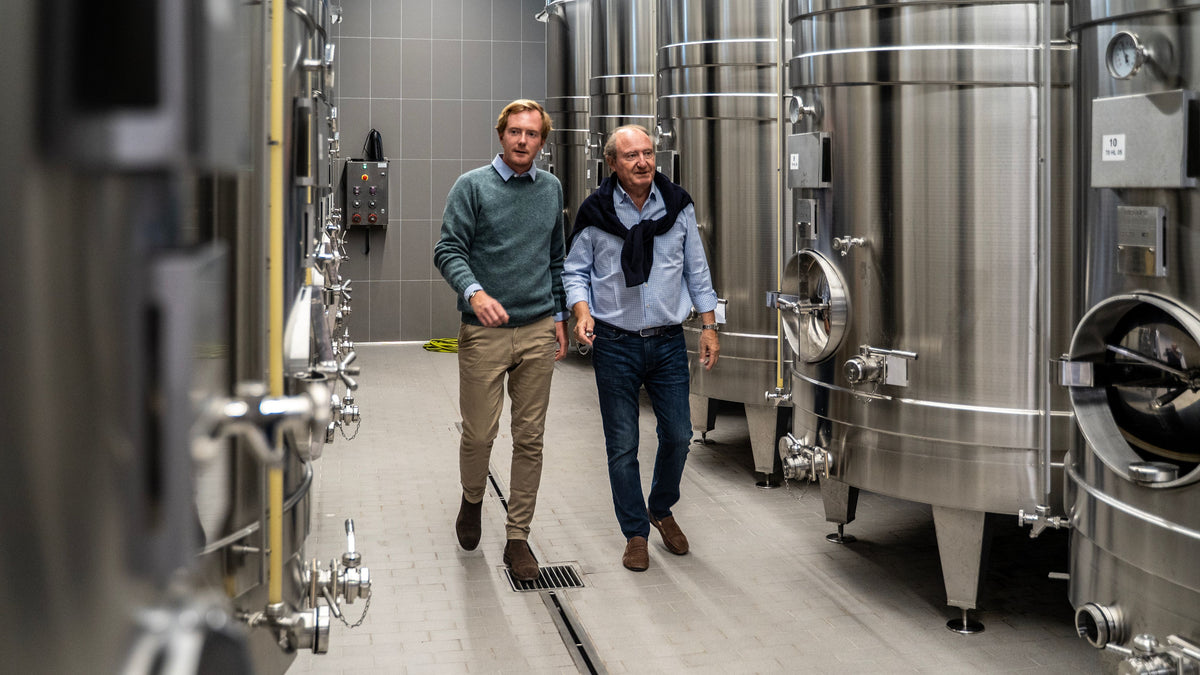
What sets winemakers like us apart from the big wine houses is the fact that we are récoltant-manipulant; which translates as "harvest-handlers", the official French term for Grower Champagne: a producer who makes and bottles champagne using grapes grown exclusively in their own vineyards - while the bigger houses do own some vineyards themselves, it’s not enough to meet their production levels so they buy in grapes from elsewhere. The beauty is that we know each plot like the back of our hand as we tend to the vines all year round. We produce 100,000 bottles per year, a small quantity compared to the big houses, but it allows us to be very meticulous at the blending stage. We can be present at every step of production, from the harvesting of the grapes right through to the bottling process.
How did your relationship with Campbell’s of Beauly begin, and what was your first reaction when they approached you about the collaboration?
Our relationship began thanks to a kind introduction from our friend Léa Tudor who works in the champagne industry. We were excited from the outset because Campbell’s style is very much aligned with ours: it’s exactly what we love and the kind of image we like to associate with our champagne.

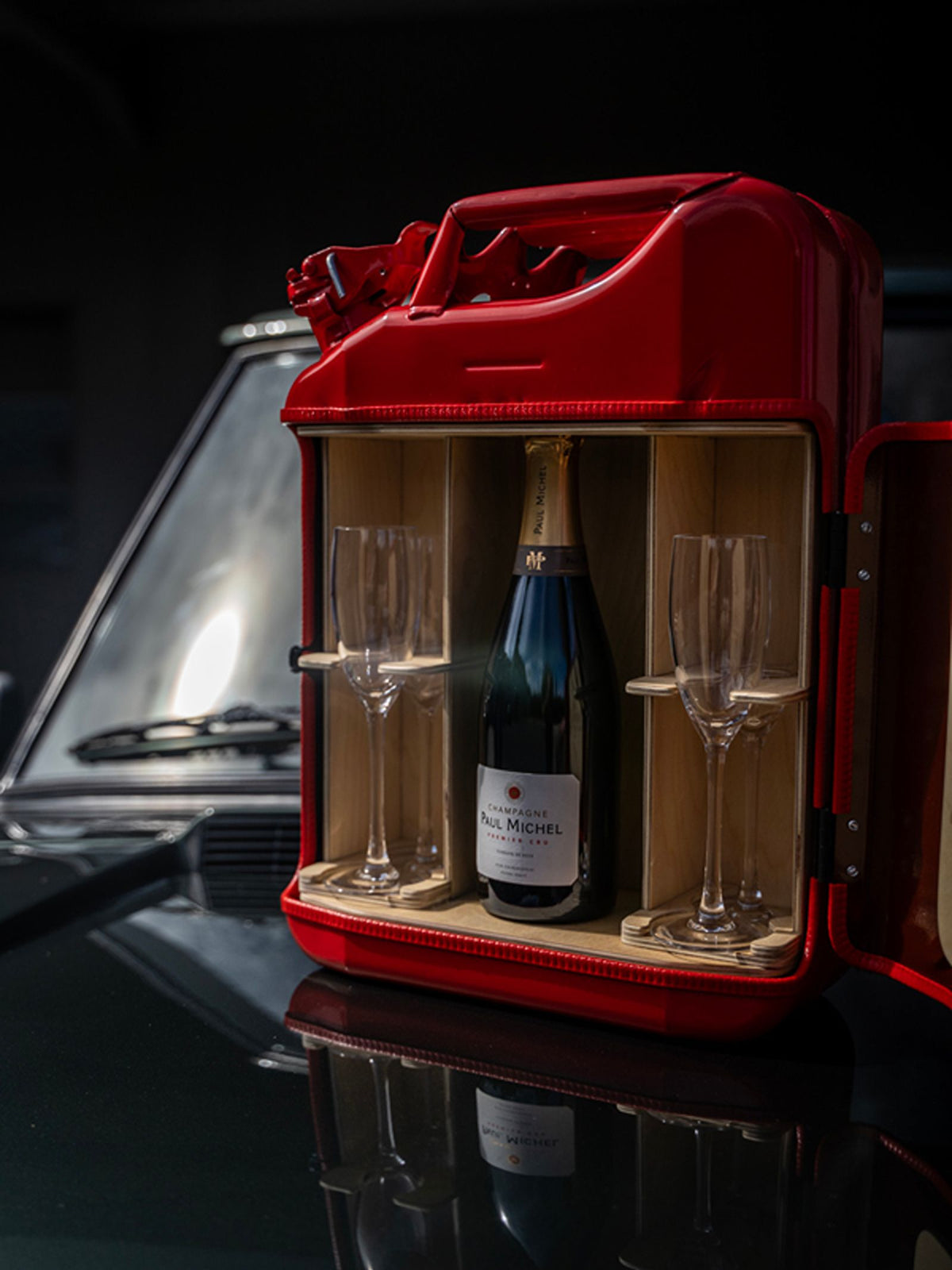
What was it about the idea of cleverly repurposing a Jerry Can into a luxury Champagne mini bar that made you want to be involved?
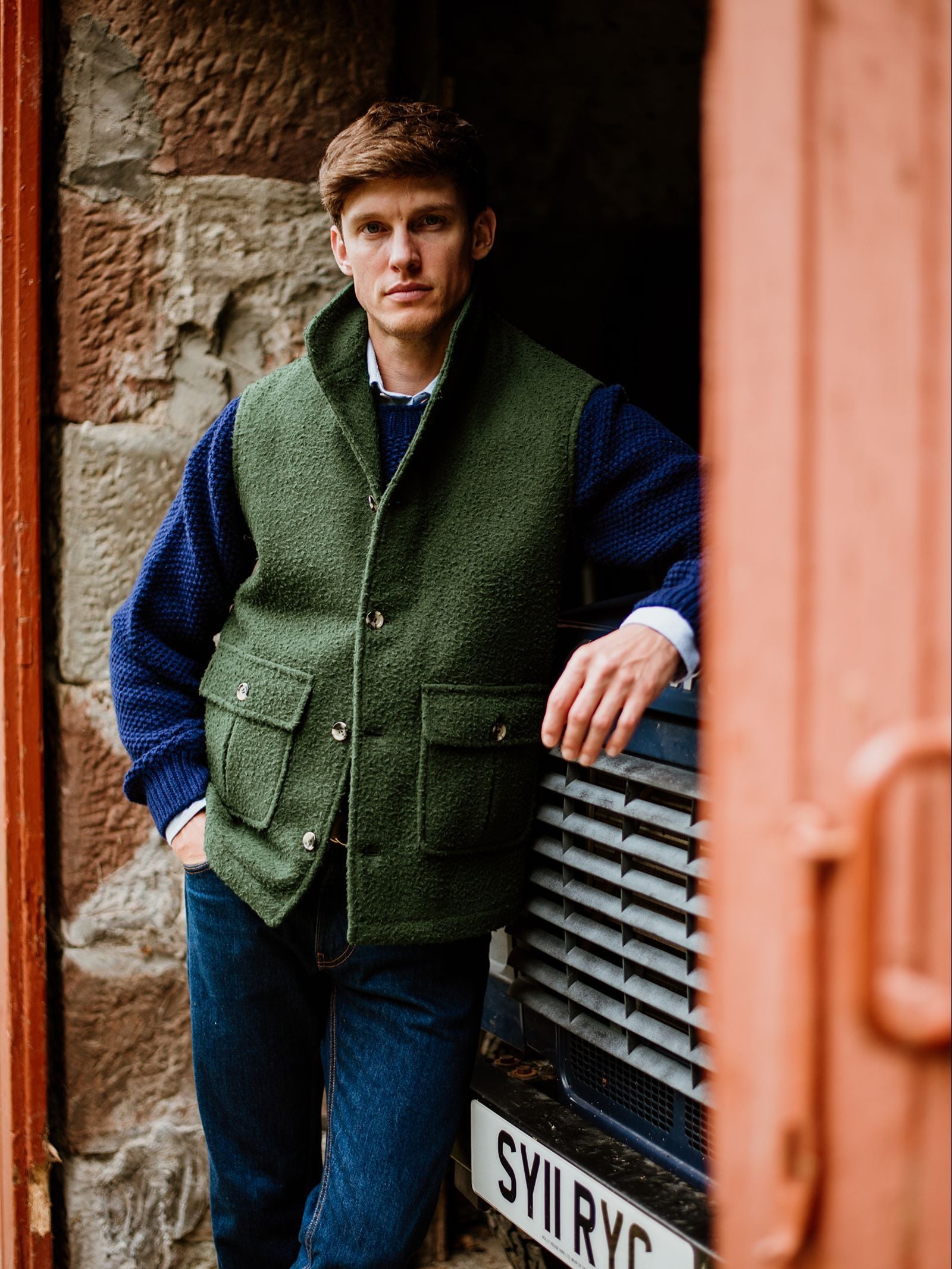
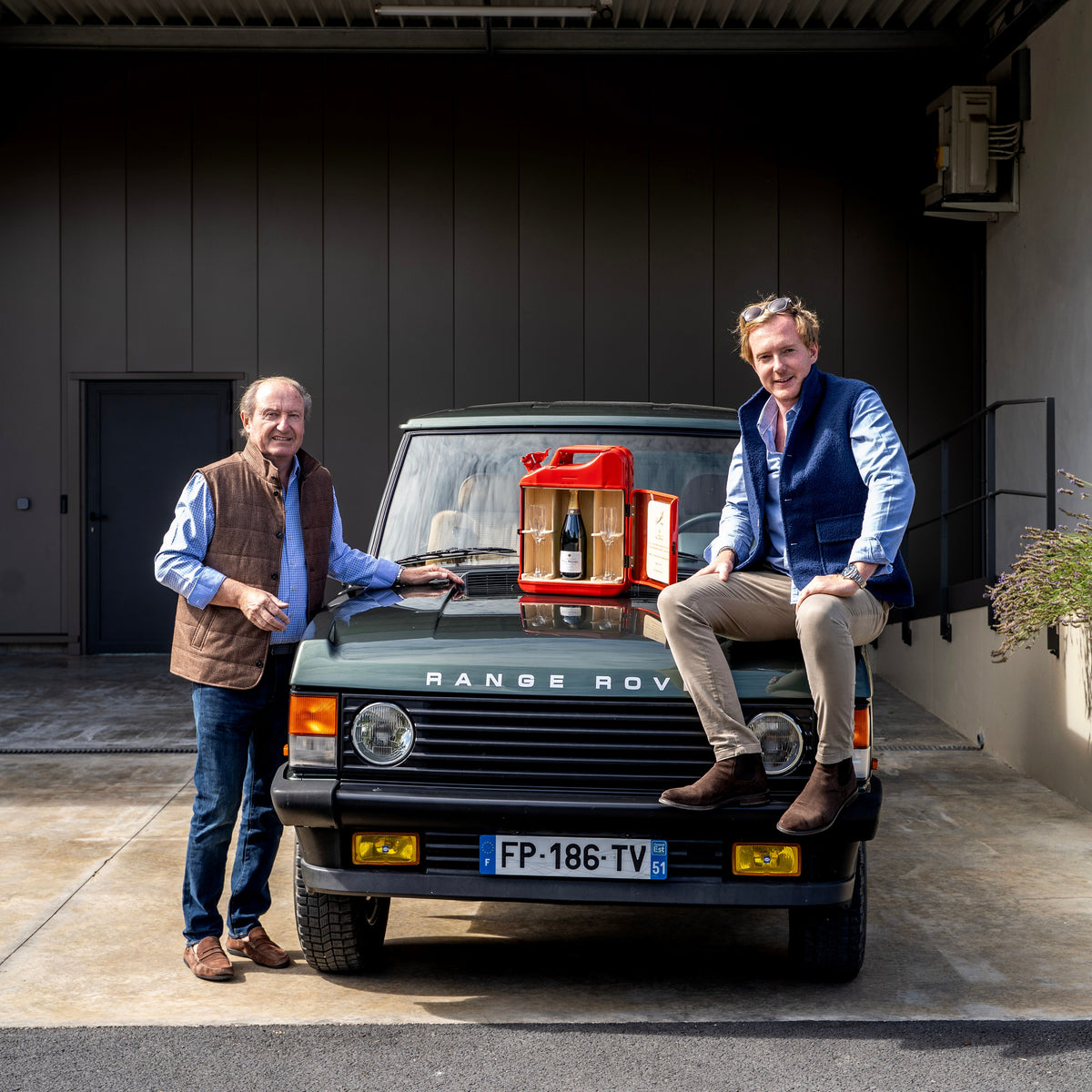
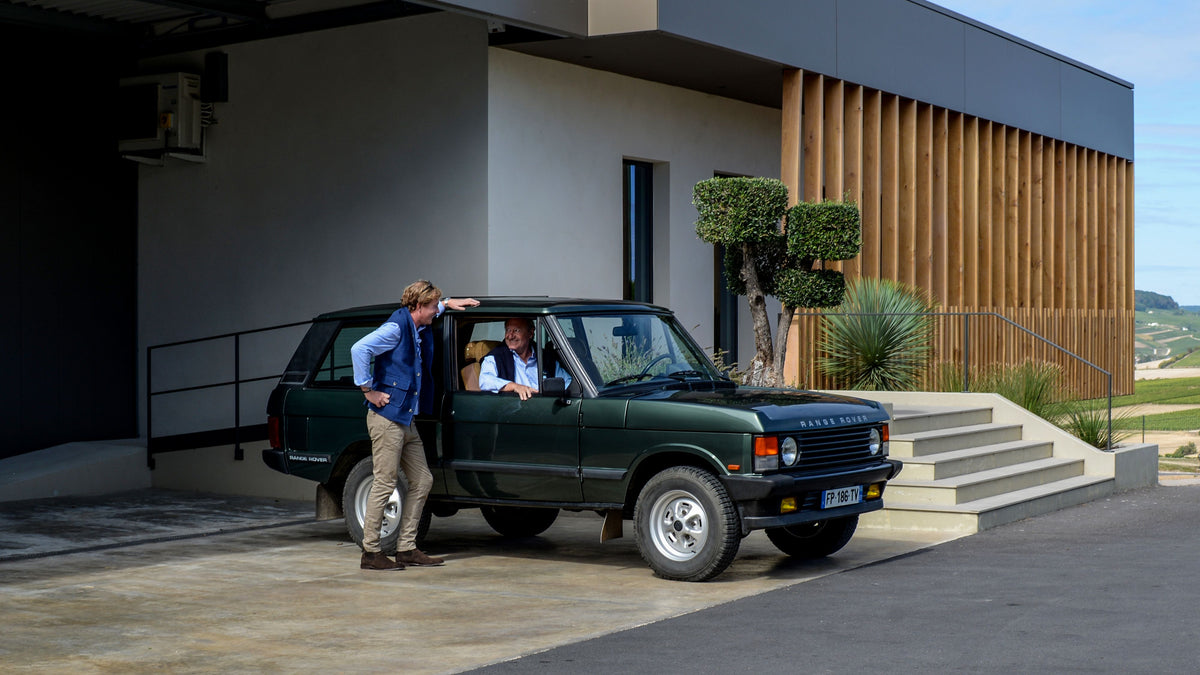
It looks particularly good on the bonnet of the Range Rover… We love this spirit of campaign chic. It’s one of the reasons why we have a vintage Range Rover parked up next to the winery. It possesses a certain charm that not all new cars have, and, I agree, is a particularly good fit with the Champagne mini bar.
Both yours and Campbell’s of Beauly are independently owned businesses, rooted in family values. How important was that shared philosophy in bringing the collaboration together?
That shared philosophy of family values was very important in bringing the collaboration together. After all, five generations of the Michel family have upheld a legacy of excellence here in Champagne. I guess it’s that sense of belonging. I’ve felt it since I was a young boy wandering through the vineyards with my grandfather. That is why, for me, it made perfect sense, when I had the opportunity, to take over the business.
Scotland has a particularly strong appreciation of provenance, craftsmanship and things made to last. Do you see similar values in the way Champagne is produced?
Absolutely, our champagne is produced with sustainable viticulture very much at the centre of our minds - some of our vines are biodynamic and are VDC certified (Viticulture Durable en Champagne), an initiative which aims to reduce the environmental footprint of wine production while keeping local traditions viable. Craftsmanship is very important in Champagne too: our grapes are harvested by hand, as is the majority of the work carried out in the vineyard. In the cellar, there’s a lot of emphasis on manual work. For instance, we stack the bottles to form a wall with visually dramatic uniformity - bottles are painstakingly stacked horizontally, sur latte as we say in French, to keep the corks moist and prevent carbonation loss. The bottles become almost architectural in their arrangement.
You have a small collection of British classics, including a 1980 Range Rover and a Triumph motorcycle. What is it about British cars and motorcycles that appeals to you?
I love English cars and motorcycles for their classic elegance and sporting prowess. My father Denis used to drive a Range Rover back in the 1980s and has very fond memories of it, which is why he wanted to find one with a specific configuration: a V8 petrol engine with a manual gearbox and carburettor, and in excellent condition. The 1987 model we finally found actually belonged to a friend who is passionate about mechanics and had meticulously maintained it. We use it occasionally for deliveries to local wine merchants or restaurants, and also for exploring the vineyards. In terms of the Triumph motorbike, I've always loved the Scrambler for its style and character. When Triumph released the Steve McQueen limited edition in 2021, I immediately contacted the dealership in Reims to reserve the model. It's a bike I ride regularly when the weather permits.
Is there something about the character of those older machines: their craftsmanship, imperfections and the way they develop a patina over time, that you also appreciate in vintage Champagne?
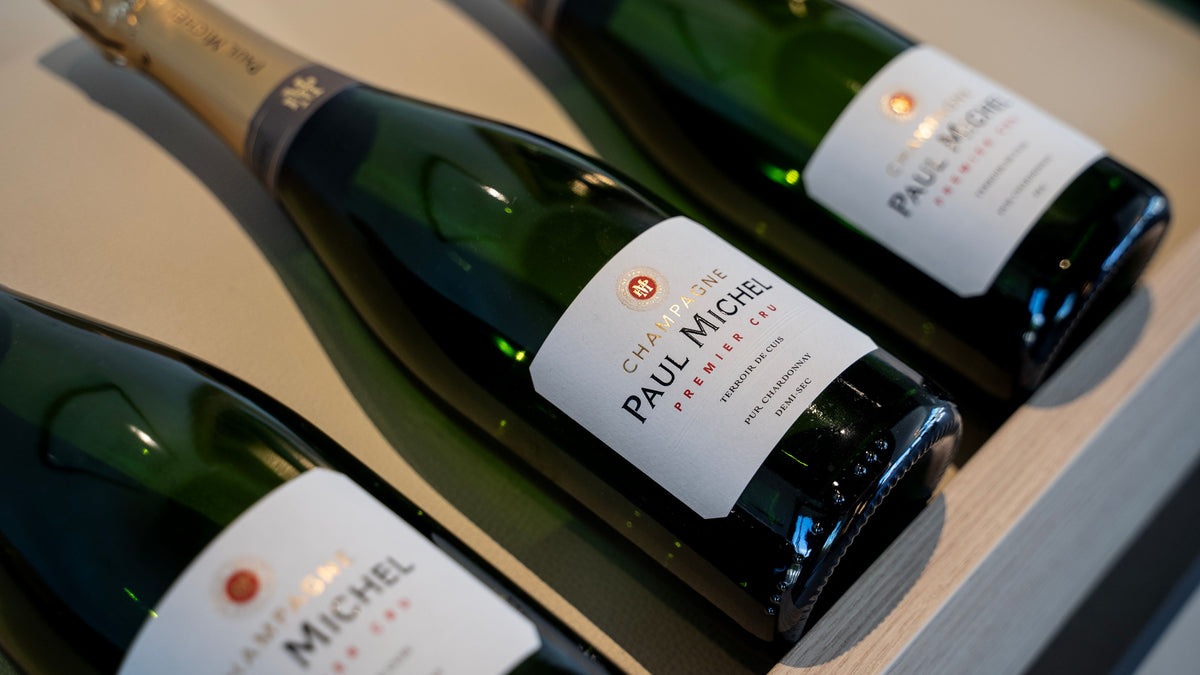
For sure. Chardonnay, the grape from which we produce our champagne, is a wine that ages very well; and given more time it can develop even more flavours and aromas. In terms of our Premier Cru champagnes, we age them for a minimum of 5 years (the regulated minimum is 15 months ) and 8 years for our vintage (minimum is 3 years), so yes, I think it is interesting to allow the wine enough time to become deeper, to have more body, complexity and character.
If someone is tasting your Champagne for the very first time, what would you encourage them to look for in the glass?
I would expect our Premier Cru Blanc de Blancs to display a pale golden hue and a fine, persistent mousse. The nose offers delicate aromas of green apple, ripe pear and citrus zest, underpinned by hints of freshly baked brioche and white flowers. On the palate, lively acidity and chalky minerality provide a refreshing backbone, complemented by subtle notes of lemon, grapefruit and stone fruit. A creamy texture and refined, lingering finish give this Champagne both finesse and character.
Is there a particular stage of the winemaking process where you feel your personality as a producer comes through most strongly?
I feel my personality as a producer comes through most strongly in the blending stage of production. It is like a musician with his score or a painter with his palette of colours: each year the whole process must be carried out with precision to produce a masterpiece.
The Côte des Blancs is famous for its chalk soils where the Chardonnay grape thrives. How much do you think the character of your Champagne comes from the soil, and how much from the particular microclimate and orientation of your vineyards, in the village of Cuis?
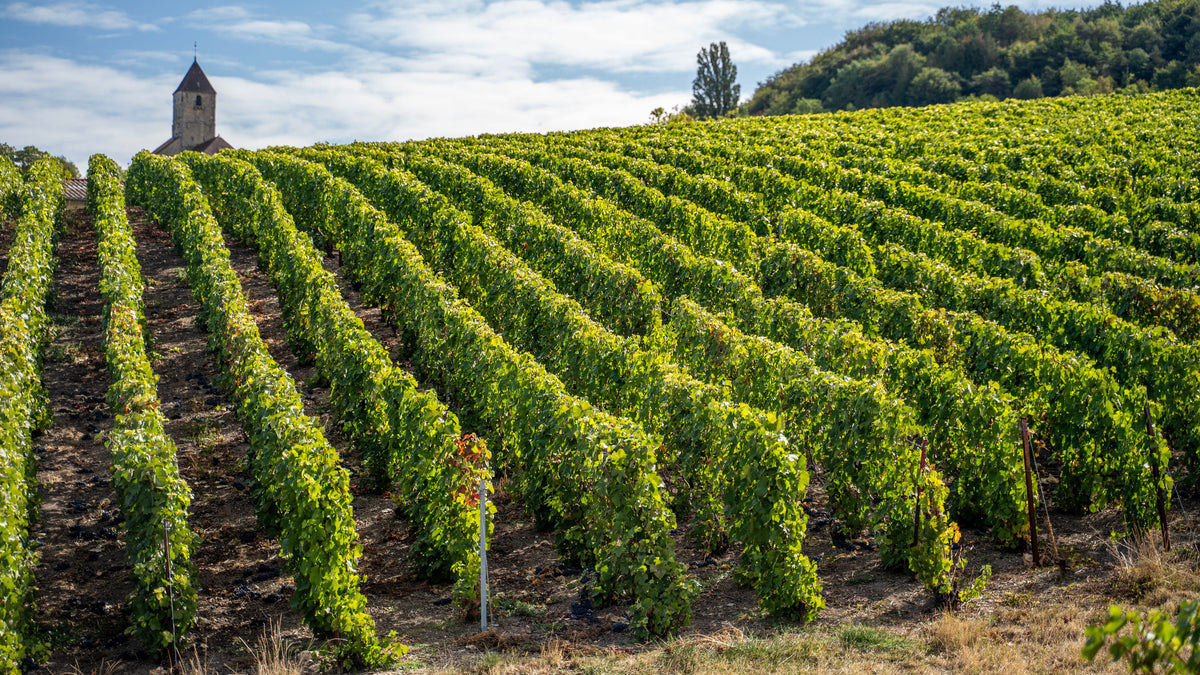
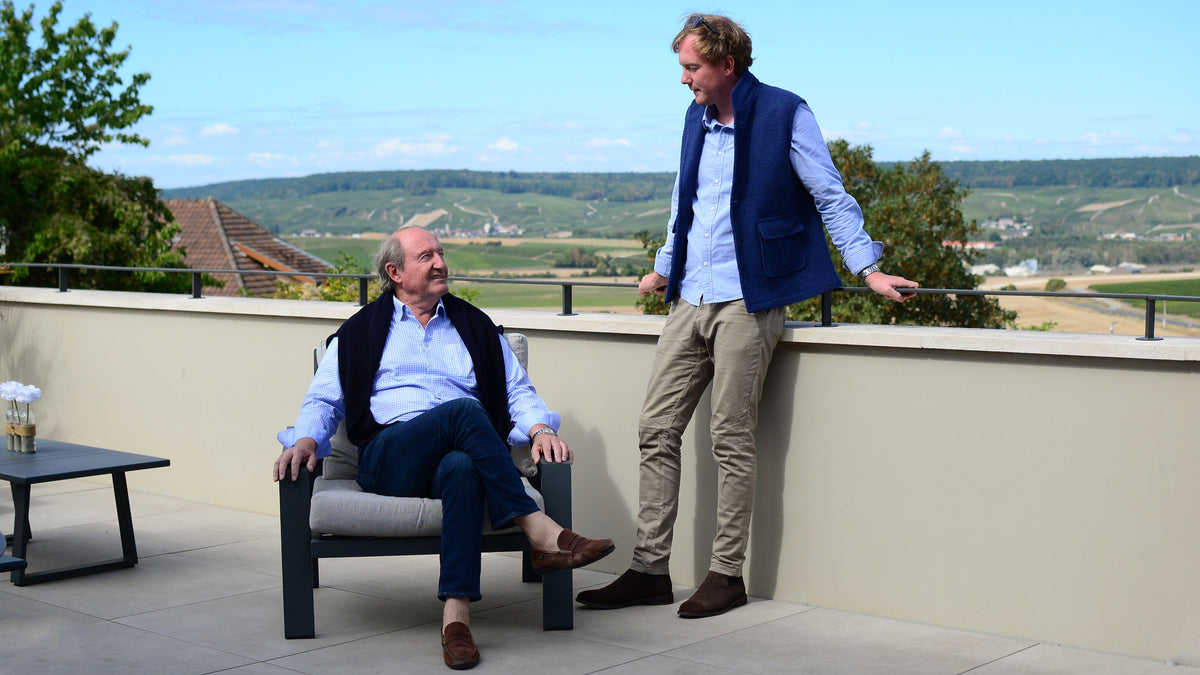
In the Côte des Blancs, it’s the chalky soil which gives Chardonnay its freshness, finesse as well as its minerality. Situated towards the northern end of the Côte des Blancs, Cuis occupies a relatively cool position on the hillside. Its predominantly north- facing vineyard slopes encourage a slower, later ripening of the Chardonnay grapes, helping to preserve their natural acidity and freshness. The resulting wines are often characterised by an elegant, leaner structure, delicate citrus notes and a distinctive chalky minerality. This late maturity is a good thing in light of the challenges we’re now facing with climate change - this year was the first time we’ve ever harvested grapes 1 month earlier than usual (in August). It’s fair to say this could be the new normal now.
Does producing Blanc de Blancs champagne in this Chardonnay-rich area make
you biased towards single-varietal champagne, as opposed to the trilogy of
Chardonnay blended with Pinot Noir and Pinot Meunier? Do you prefer it?
I guess you could say that we are slightly biased towards single-varietal champagne
as opposed to the traditional trilogy - although the same grape variety can express
very different personalities depending on the terroir and age of the plot. From our
experience, after 25 years or so in the field, while the chardonnay grape tends to yield
less in terms of quantity, it has greater maturity.
Shop The Look